



Could Distributed Peer Review Better Decide Grant Funding?
The landscape of academic grant funding is notoriously competitive and plagued by lengthy, bureaucratic processes, exacerbated by difficulties in finding willing reviewers. Distributed […]
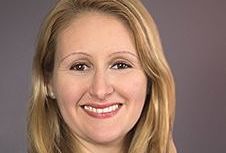
In this shortlisted essay from the ESRC Better Lives Writing Competition, in which PhD students who have received money from the ESRC write short essays about how their research leads too better lives, new mother Rosa Daiger von Gleichen describes the exertions required to both work and be a parent. The PhD candidate in social policy at the University of Oxford studies employer-based and public family policies, primarily in the United Kingdom, the United States and Germany, to understand how employers, families and individuals will manage both work and care in the future.
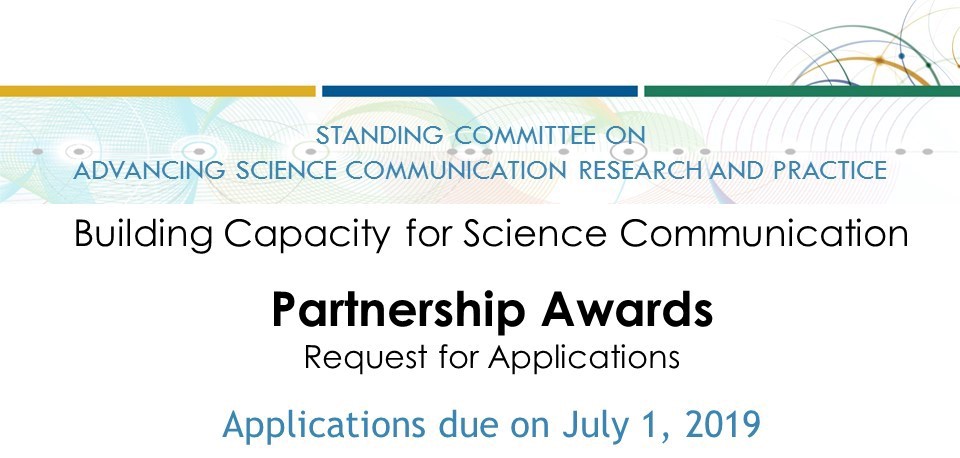
The Rita Allen Foundation, and NASEM are offering awards to support the formation and development of collaborative researcher–practitioner partnerships. To apply for these awards, submit a joint proposal that describes the rationale for your partnership. Apply by July 1st.

Before she studied psychology and mental care services, Elyse Couch worked as care worker for people with dementia — experiences which serve her well as she now investigates the use of health services following a diagnosis of dementia or mild cognitive impairment. In this shortlisted essay from the ESRC Better Lives Writing Competition, in which PhD students who have received money from the ESRC write short essays about how their research leads too better lives, the King’s College London student describes one particular person with dementia she worked with and how that experience highlights many aspects that follow a dementia diagnosis.

In this shortlisted essay from the ESRC Better Lives Writing Competition, in which PhD students who have received money from the ESRC write short essays about how their research leads too better lives, anthropologist Holly Chalcraft from Durham University discusses how the ethnic swap between Greece and Turkey after World War I affects self-identity today.

On April 4 winners were announced in the year’s ESRC Writing Competition, in which PhD students who have received money from the ESRC write short essays about how their research leads too better lives. Today we posting the shortlisted and winning essays with Bobby Beaumont, a PhD research at the University of Birmingham, and his essay titled “Playtime in the camps.” Beaumont, whose research focuses on how circus, play and arts-based interventions play out in refugee camps and temporary settlements.
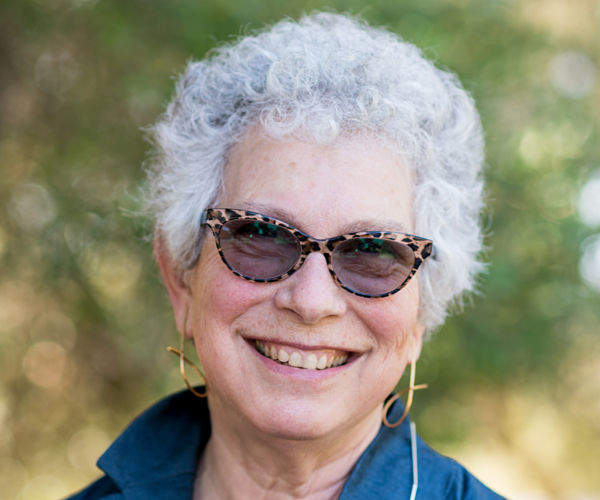
Margaret Levi, the director of the Center for Advanced Study in the Behavioral Sciences at Stanford University, today received one of the most prestigious awards in the social sciences, the Johan Skytte Prize in Political Science.

Danielle Tomasello describes The Social Scientist, a non-profit networking and outreach community of STEM professionals. Our volunteers answer questions that will benefit scientists’ interests, including a view of their work, environment and what it took for them to get there.
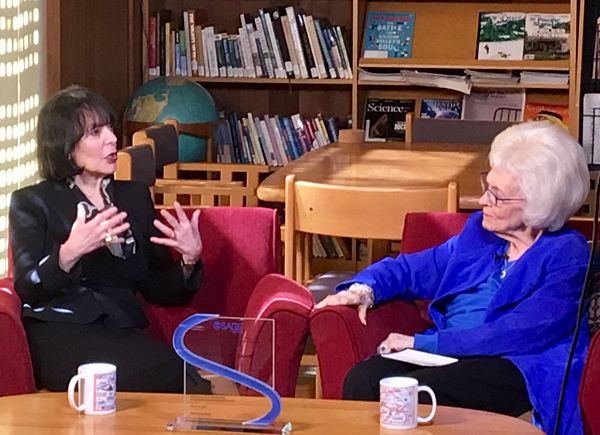
Earlier this month, psychologist Carol Dweck, author of the 2006 bestseller ‘Mindset: The New Psychology of Success,’ received the 2019 SAGE-CASBS Award. Social Science Space asked the award winner a few questions about her work, how growth mindset has been received by various publics, and what advice she might give today’s young scholars.

The Royal Swedish Academy of Sciences has awarded this year’s Nobel Prize in Economic Sciences to the American economists Robert E. Hall […] Four Americans working in the social and behavioral sciences are among the 20 people named MacArthur Fellows this year. Recipients may be […] Euan Adie, the founder of Altmetric and later of Overton, discusses the reasons the led to Overton’s focus on showing researchers how […] The following is an adapted extract from The Cultural Industries, fifth edition, by David Hesmondhalgh. The increasing presence of information technology (IT) […] Developers of AI data centers have a public trust problem. According to multiple surveys, a majority of Americans say they would oppose […] I was adding some final flourishes on the topic of ‘iatrocracy’ to my forthcoming book with Natewindé Sawadogo – Sickness and Social […]
EXPLORE
Impact
Economic Peaks, Troughs and This Year’s Nobelists in Economics
READ MORE
Four From Social Science World Receive 2026 MacArthur Fellowships
READ MORE
Quick Insight: Euan Adie on Getting Academics Credit for Their Impact
READ MORE
Innovation

IT Giants and Their Operations: Should We Be Concerned?
READ MORE

What We Miss When We Study Public Trust with Surveys Alone
READ MORE

AI and ‘Iatrocracy’ – A Cautionary Tale
READ MORE