
Could Distributed Peer Review Better Decide Grant Funding?
The landscape of academic grant funding is notoriously competitive and plagued by lengthy, bureaucratic processes, exacerbated by difficulties in finding willing reviewers. Distributed […]
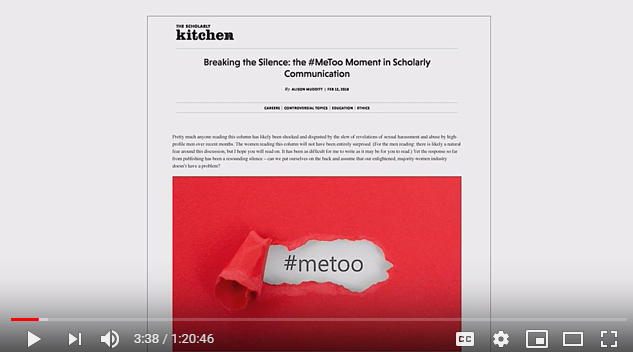
The #MeToo movement has slowly spread across to other sectors as people begin to come forward with their own stories of sexual harassment and bullying. In academic publishing, this conversation was in part started in February by Alison’s Mudditt’s powerful post on The Scholarly Kitchen. Muddit chaired a recent panel looking at sexual harassment, and ways to combat it, at the annual ALPSP conference.

It’s hoped open peer review could improve the speed and quality of reviews, but, not all academics are comfortable with open peer review and remain fearful of their comments and views being subject to public scrutiny. Jaime A. Teixeira da Silva argues this may prevent the open review system from being truly inclusive.

In launching its first-ever task force report on Monday, the 95-year-old Social Science Research Council made clear it gets by with a little help from its friends. Collaboration, said sociologist Alondra Nelson Nelson, the president of the SSRC, is the byword of the report, To Secure Knowledge: Social Science Partnerships for the Common Good.
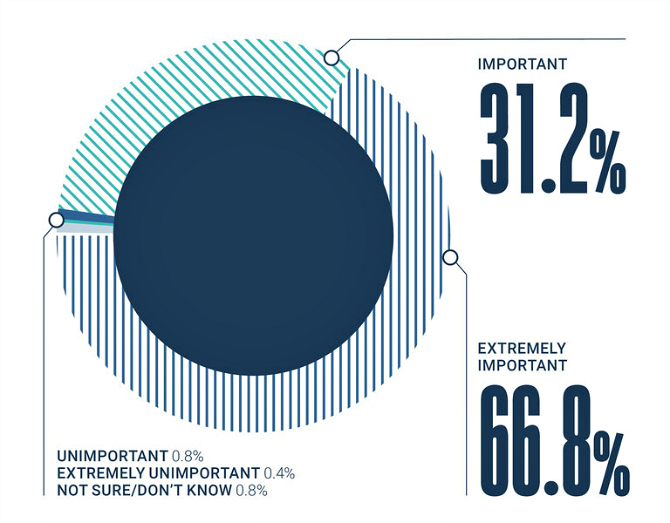
During this Peer Review Week 2018, Tom Culley shares findings from the new Publons “Global State of Peer Review” report. As demands on the peer review system increase, reviewers are actually becoming less responsive to invitations.
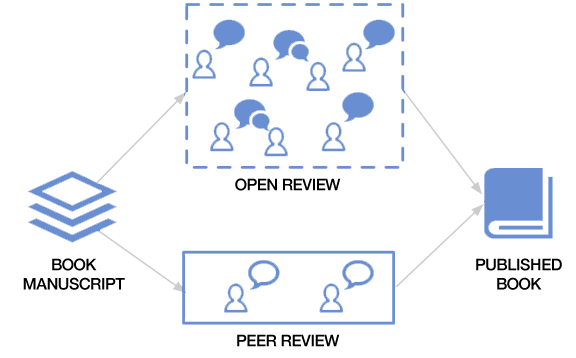
A new process developed by Princeton’s Matthew Salganik for reviewing academic manuscripts allows the world at large to examine and weigh in on a book at the same time the manuscript is undergoing peer review.

As Brexit Britain appears headed straight for a chaotic exit from the European Union, its universities are raising questions about their future with growing alarm. The consequences which post-Brexit nationalism will have for universities, students, and scholars are hardly being discussed at all.
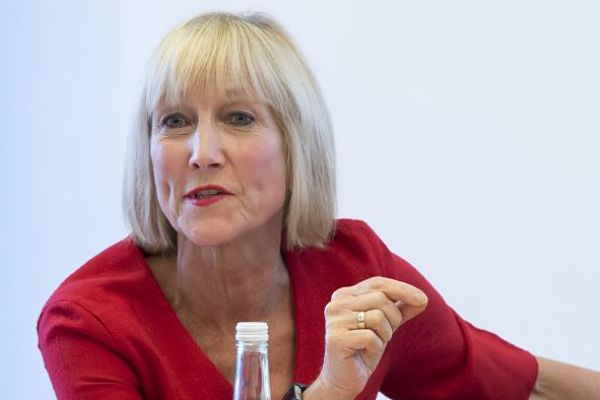
One thing has become clear to sociologist Diane Reay across her research – “It’s primarily working-class children who turn out to be losers in the educational system.” Whether it’s through the worst-funded schools, least-qualified teachers, most-temporary teaching arrangements or narrowest curricula, students from working class backgrounds in the United Kingdom (and the United States) draw the shortest educational straws.
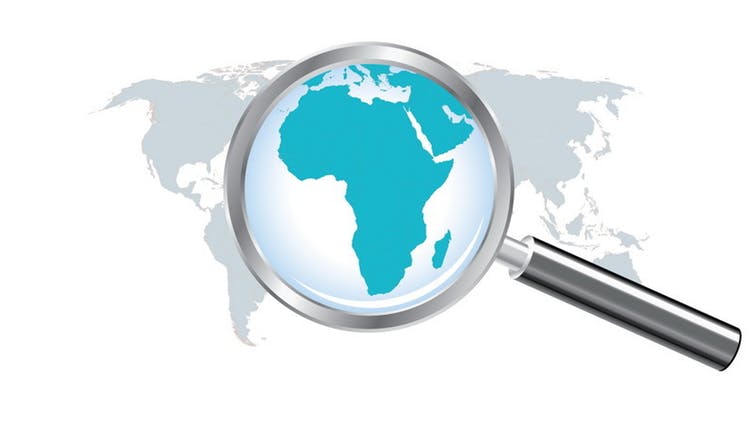
Africa has a real challenge when it comes to using academic research and evidence to design policies. “The problem is twofold,” says author Ruth Stewart, “policymakers sometimes don’t call on available research, while for their part academics don’t know how to engage with policymakers.” But this isn’t stopping the continent from taking strides in the right direction.
Jürgen Habermas, a globally known social theorist whose explorations of democracy, validity and communication have gained new prominence in the current moment, […] People often see science as a world apart: cool, rational and untouched by persuasion or performance. In this view, scientists simply discover […] “Research impact” means different things to different people. Some refer broadly to how science changes behaviors, beliefs, or practices outside academic institutions. […] David Canter considers informal places where people socialize, suggesting they’re an arena ChatGPT and other LLMs can’no’t replicate. As someone who lives […] It’s become cliche since Clive Humbly coined it in 2006, but data is indeed the new oil. It’s a mantra repeated by […] In September 2025, The Guardian reported about a lawyer in Australia having faced sanctions due to false citations. These citations were not […]
EXPLORE
Impact

Jürgen Habermas, 1929-2026: Exponent of the Public Sphere
READ MORE

Scientists Should Keep in Mind It’s Called the ‘Marketplace of Ideas’ for a Reason
READ MORE

Survey Finds Social Scientists Feel Unsupported in Seeking Societal Impact
READ MORE
Innovation

Reaching Parts to Which AI Has No Access
READ MORE

Andrea Medina-Smith on Making Research Data More FAIR
READ MORE

A Status Check on Hallucinated Case Law Incidents
READ MORE