
Could Distributed Peer Review Better Decide Grant Funding?
The landscape of academic grant funding is notoriously competitive and plagued by lengthy, bureaucratic processes, exacerbated by difficulties in finding willing reviewers. Distributed […]
Hamish Robertson and Joanne Travaglia argue that big data quantification is now not only a mechanism for extracting information but has become an idea with social and political power in its own right. The lack of critique of quantitative methods and their application contributes to the existing and potentially coercive power of digital information systems and their attendant methods, and enhances the potential for collateral damage.
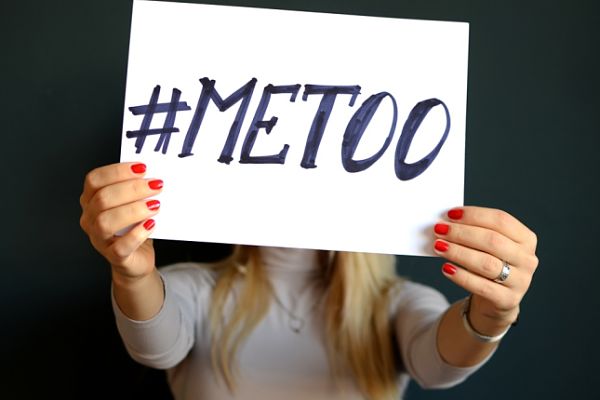
Developing an effective response to sexual harassment in the academic industry — by no means a new phenomenon, notes Robert Dingwall — requires us to consider questions about institutional memory, occupational cultures, and organizational silos, rather than badly behaved individuals.
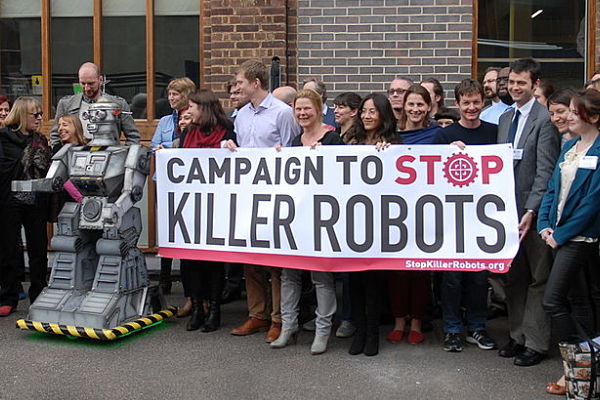
The big questions posed by our digital future sit at the intersection of technology and ethics. This is complex territory that requires input from experts in many different fields, including the social sciences, if we are to navigate it successfully. A new report makes an effort to give a first draft of that necessary input.

Looking at the recent mass shooting in Las Vegas and the ongoing violence perpetrated by people claiming to be working for the so-called Islamic State, our David Canter examines the use of the word ;terrorism’ and asks under what contexts is it accurately applied.

Largely missing from the debate about the growth of alt-right-ish movements and cultural currents, argues our Daniel Nehring, is sustained engagement with the consequences of the shifts that are currently underway in education.

This free collection of content from SAGE Publishing provides context in the wake of pivotal events, such as the deadly protests in Charlottesville, Virginia, that highlight the societal fault lines in the U.S. and across the globe.
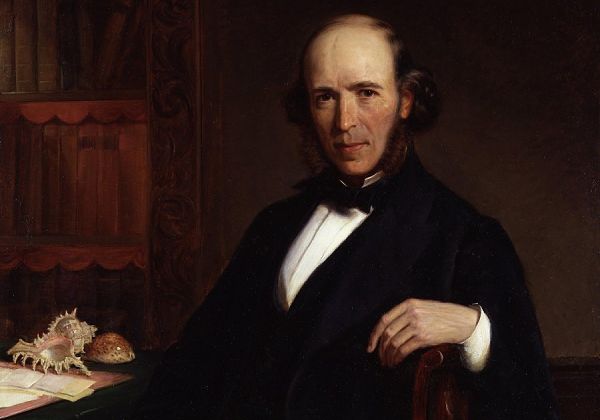
How well do sociology departments in the UK teach sociology that originated in the UK? Asking that surprisingly hard question may produce usable insights for academic Britain, argues our Robert Dingwall.

What does the Watergate saga of the early 1970s tell us about the current furor over investigations centered on the occupant of the white House?
Jürgen Habermas, a globally known social theorist whose explorations of democracy, validity and communication have gained new prominence in the current moment, […] People often see science as a world apart: cool, rational and untouched by persuasion or performance. In this view, scientists simply discover […] “Research impact” means different things to different people. Some refer broadly to how science changes behaviors, beliefs, or practices outside academic institutions. […] David Canter considers informal places where people socialize, suggesting they’re an arena ChatGPT and other LLMs can’no’t replicate. As someone who lives […] It’s become cliche since Clive Humbly coined it in 2006, but data is indeed the new oil. It’s a mantra repeated by […] In September 2025, The Guardian reported about a lawyer in Australia having faced sanctions due to false citations. These citations were not […]
EXPLORE
Impact

Jürgen Habermas, 1929-2026: Exponent of the Public Sphere
READ MORE

Scientists Should Keep in Mind It’s Called the ‘Marketplace of Ideas’ for a Reason
READ MORE

Survey Finds Social Scientists Feel Unsupported in Seeking Societal Impact
READ MORE
Innovation

Reaching Parts to Which AI Has No Access
READ MORE

Andrea Medina-Smith on Making Research Data More FAIR
READ MORE

A Status Check on Hallucinated Case Law Incidents
READ MORE