



Could Distributed Peer Review Better Decide Grant Funding?
The landscape of academic grant funding is notoriously competitive and plagued by lengthy, bureaucratic processes, exacerbated by difficulties in finding willing reviewers. Distributed […]
LSE takes us through a round-up of all their top articles relating to Research and Policy connectivity. Explore a variety of 2018 articles on engagement, policy making, and collaboration.

Figuring out how public health professionals can most effectively combat misinformation about the flu vaccine is a critically important question for public health research. Looking at the latest research, what is the best way to communicate this importance.
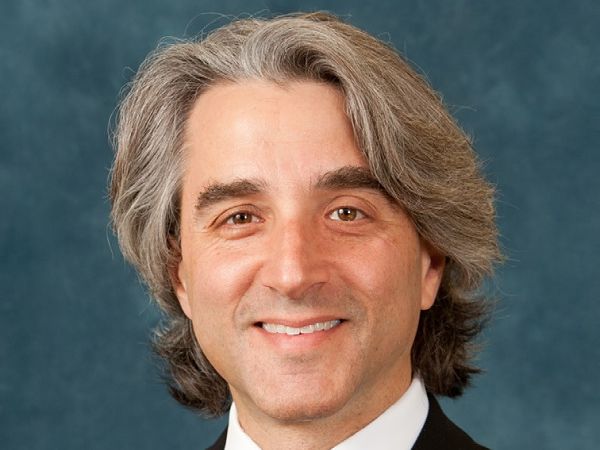
When the National Science Foundation tabbed Arthur “Skip” Lupia to head its Directorate for Social, Behavioral, and Economic Sciences (SBE), it was making a statement whether it meant to or not. Lupia, officially the Hal R. Varian Collegiate Professor of Political Science at the University of Michigan, has been one of social science’s ablest defenders — and occasional critics.
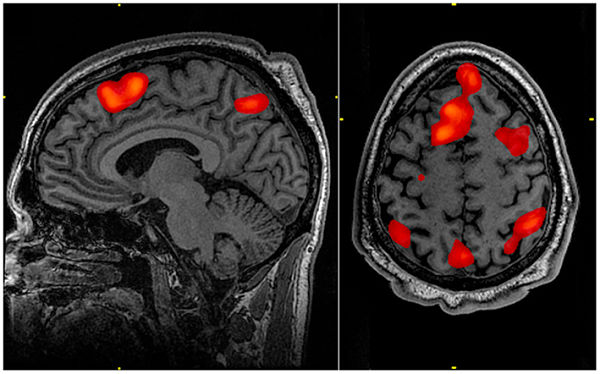
The authors of a new paper on neurofinance — a relatively new area of research that strives to understand financial decision making by combining insights from psychology and neuroscience with theories of finance — discuss some of the issues they grappled with in using imaging technology for their research.
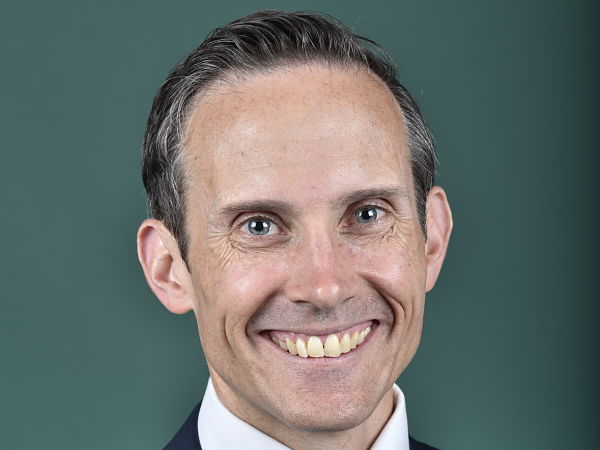
When Angus Deaton crafted the term ‘randomista’ to denigrate the rampant use of randomized controlled trials in development economics, Angus Leigh saw an opportunity to make lemonade out of lemons. In this Social Science Bites podcasts he explains how he turned randomista into a compliment and promotes the use of trials to improve social programs worldwide.
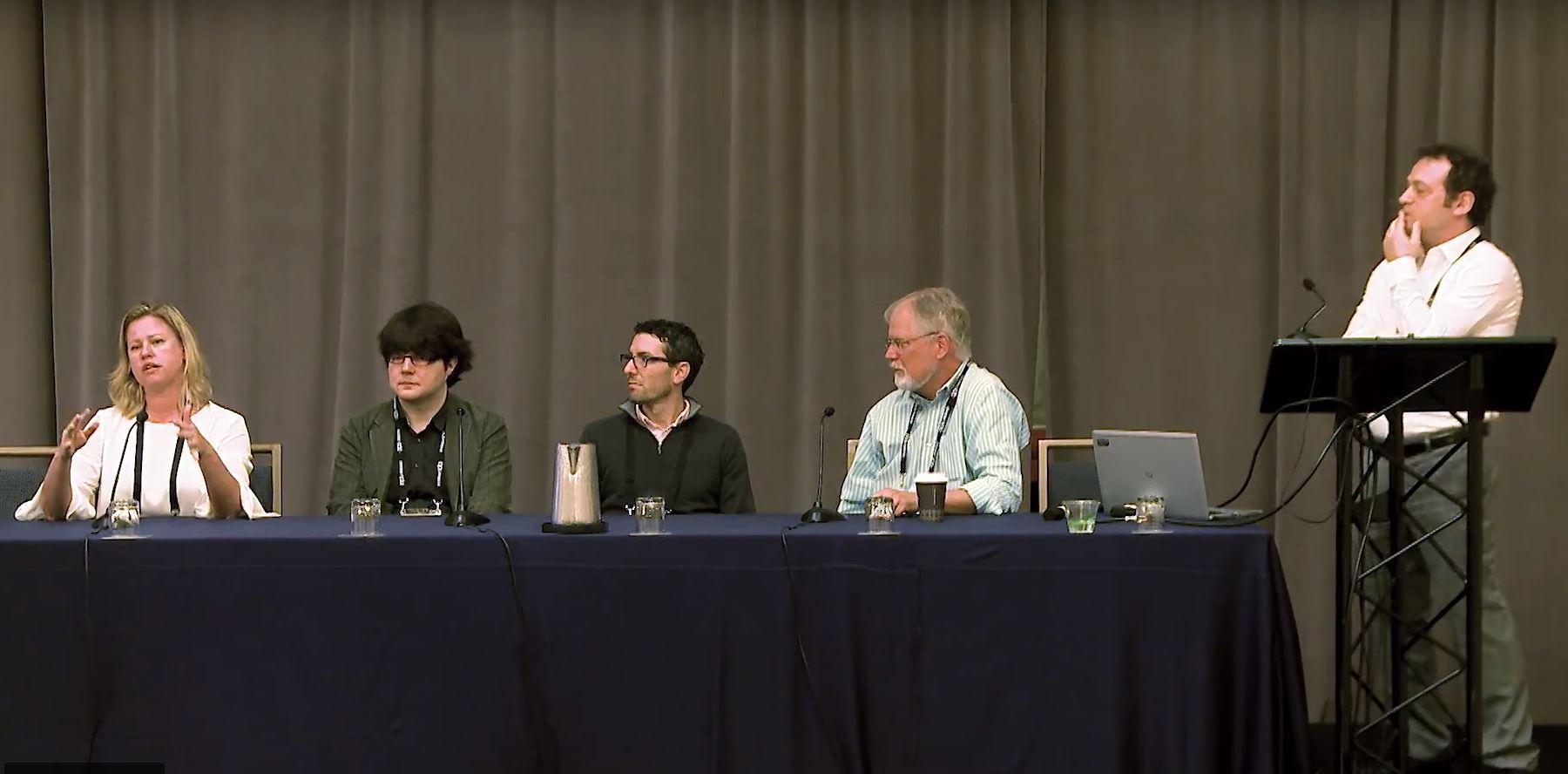
What exactly does the tech industry want from social and behavioral scientists? That was the focus of a SAGE Publishing-sponsored panel at the annual meeting of the Association for Psychological Science In San Francisco this summer. Panelists were four representatives from tech, ranging from big players like Google to startups like Jaunt.
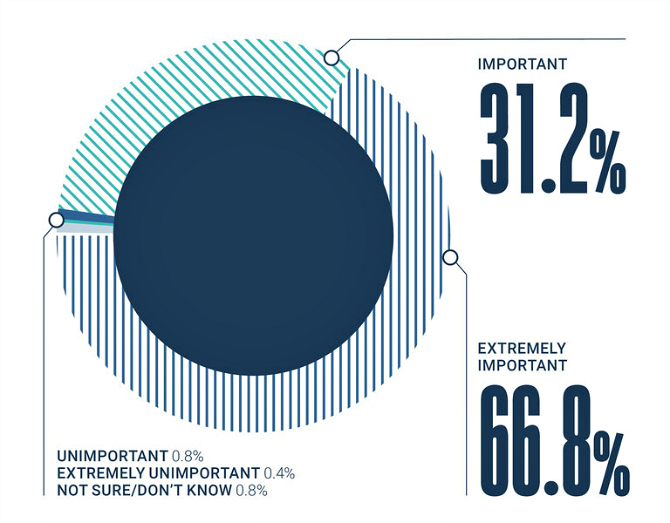
During this Peer Review Week 2018, Tom Culley shares findings from the new Publons “Global State of Peer Review” report. As demands on the peer review system increase, reviewers are actually becoming less responsive to invitations.

Journalism professor Vince Filak opted to be a nice guy and answer a quick survey from a university he’d once attended. ‘I’m not sure how much help I was to the people who put the survey out,’ he says, ‘but given the various problems I had with this survey, I’m hoping I can help you all learn how to avoid what went wrong for them.’

The Royal Swedish Academy of Sciences has awarded this year’s Nobel Prize in Economic Sciences to the American economists Robert E. Hall […] Four Americans working in the social and behavioral sciences are among the 20 people named MacArthur Fellows this year. Recipients may be […] Euan Adie, the founder of Altmetric and later of Overton, discusses the reasons the led to Overton’s focus on showing researchers how […] The following is an adapted extract from The Cultural Industries, fifth edition, by David Hesmondhalgh. The increasing presence of information technology (IT) […] Developers of AI data centers have a public trust problem. According to multiple surveys, a majority of Americans say they would oppose […] I was adding some final flourishes on the topic of ‘iatrocracy’ to my forthcoming book with Natewindé Sawadogo – Sickness and Social […]
EXPLORE
Impact

Economic Peaks, Troughs and This Year’s Nobelists in Economics
READ MORE

Four From Social Science World Receive 2026 MacArthur Fellowships
READ MORE
Quick Insight: Euan Adie on Getting Academics Credit for Their Impact
READ MORE
Innovation

IT Giants and Their Operations: Should We Be Concerned?
READ MORE

What We Miss When We Study Public Trust with Surveys Alone
READ MORE

AI and ‘Iatrocracy’ – A Cautionary Tale
READ MORE