
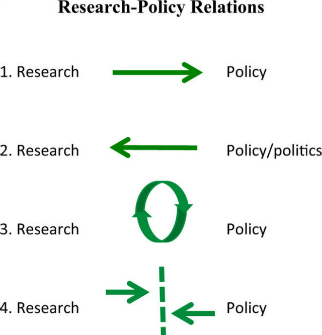

Could Distributed Peer Review Better Decide Grant Funding?
The landscape of academic grant funding is notoriously competitive and plagued by lengthy, bureaucratic processes, exacerbated by difficulties in finding willing reviewers. Distributed […]

In the first of what will be a monthly series, SAGE Publishing will open up articles in a specific area of public […]

Usha Haley shares findings of a recent Academy of Management report that sought to answer the impact of scholarly research. By surveying 20,000 members & conducting a selection of interviews, most scholars felt the present system of evaluation and rankings has led to an over reliance on traditional techniques and methodologies, and even “junk science”.

The Gates Foundation is regrouping after its latest school improvement disappointment, but it’s not bowing out of the education reform business. As the philanthropic powerhouse led by Bill and Melinda Gates explained in their latest annual letter to the public, it ended its effort to overhaul teacher evaluation systems after determining that these efforts were failing to generate intended results.
The first-ever “Social Science FOO Camp” was held a couple weeks ago at the Facebook headquarters in California. What’s a Social Science Foo Camp? According to Tom Kecskemethy, director of the AAPSS, “its a hard-to-describe ‘un-conference,’ for the uninitiated.” Follow Tom in this post as he shares his perspective on the FOO camp and explains what he learned.
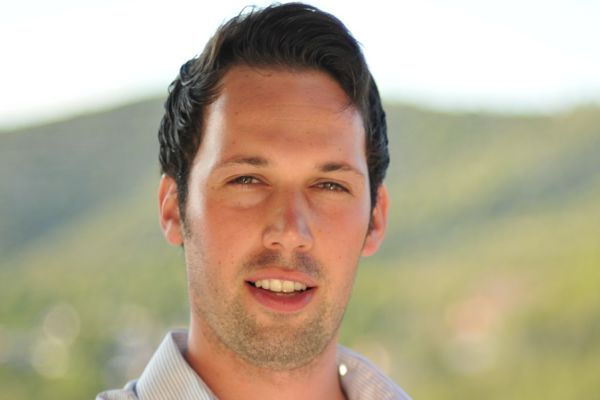
When online charitable appeals take off, social psychologist Sander van der Linden perks up. He studies ‘viral altruism,’ and in this Social Science Bites podcast he details to host David Edmonds how he studies this phenomenon.
Steven Lubet, the author of ‘Interrogating Ethnography: Why Evidence Matters,’ explains the importance of his approach to investigating the discipline — to ‘put it on trial’ — and to reiterate the idea that accuracy matters in social science. Spurring on his restatement is a recent review on Social Science Space that Lubet argues missed his point entirely.
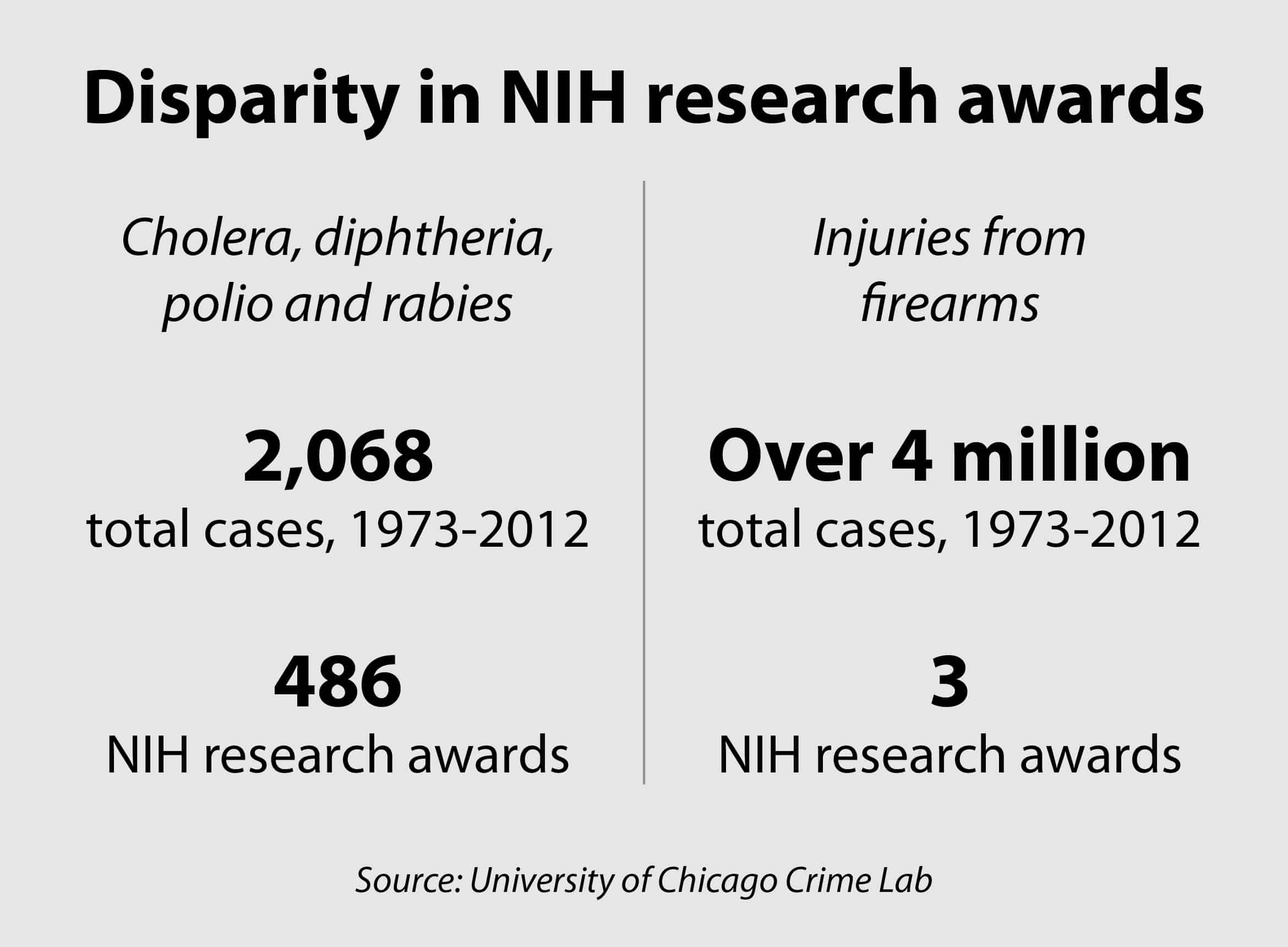
The research needed to answer questions about the role of firearms in acts of horrific mass violence doesn’t exist – and part of the problem is that the United States government largely doesn’t support it.

In an exploration of the complex dynamics of youth in especially challenging situations around the world, Charalmabos Tsekeris and Lilu Stylianoudi from the Academy of Athens have brought together 15 studies from around the world that point to a surprising finding: young people manage reasonably well in extremely difficult situations.

The Royal Swedish Academy of Sciences has awarded this year’s Nobel Prize in Economic Sciences to the American economists Robert E. Hall […] Four Americans working in the social and behavioral sciences are among the 20 people named MacArthur Fellows this year. Recipients may be […] Euan Adie, the founder of Altmetric and later of Overton, discusses the reasons the led to Overton’s focus on showing researchers how […] The following is an adapted extract from The Cultural Industries, fifth edition, by David Hesmondhalgh. The increasing presence of information technology (IT) […] Developers of AI data centers have a public trust problem. According to multiple surveys, a majority of Americans say they would oppose […] I was adding some final flourishes on the topic of ‘iatrocracy’ to my forthcoming book with Natewindé Sawadogo – Sickness and Social […]
EXPLORE
Impact

Economic Peaks, Troughs and This Year’s Nobelists in Economics
READ MORE
Four From Social Science World Receive 2026 MacArthur Fellowships
READ MORE
Quick Insight: Euan Adie on Getting Academics Credit for Their Impact
READ MORE
Innovation
IT Giants and Their Operations: Should We Be Concerned?
READ MORE

What We Miss When We Study Public Trust with Surveys Alone
READ MORE

AI and ‘Iatrocracy’ – A Cautionary Tale
READ MORE