


Could Distributed Peer Review Better Decide Grant Funding?
The landscape of academic grant funding is notoriously competitive and plagued by lengthy, bureaucratic processes, exacerbated by difficulties in finding willing reviewers. Distributed […]
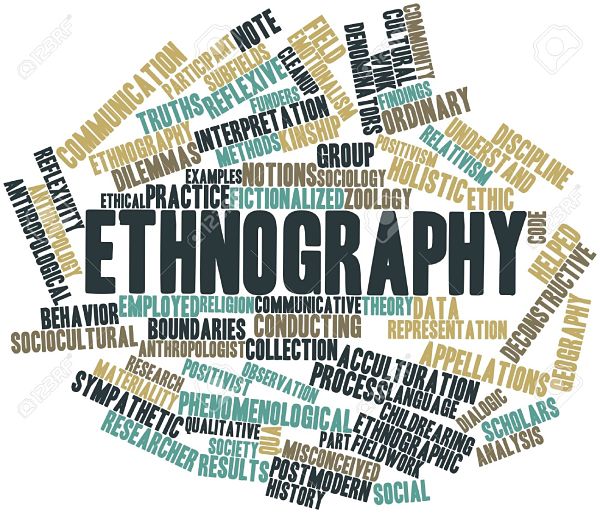
Steven Lubet, the author of ‘Interrogating Ethnography: Why Evidence Matters,’ explains the importance of his approach to investigating the discipline — to ‘put it on trial’ — and to reiterate the idea that accuracy matters in social science. Spurring on his restatement is a recent review on Social Science Space that Lubet argues missed his point entirely.
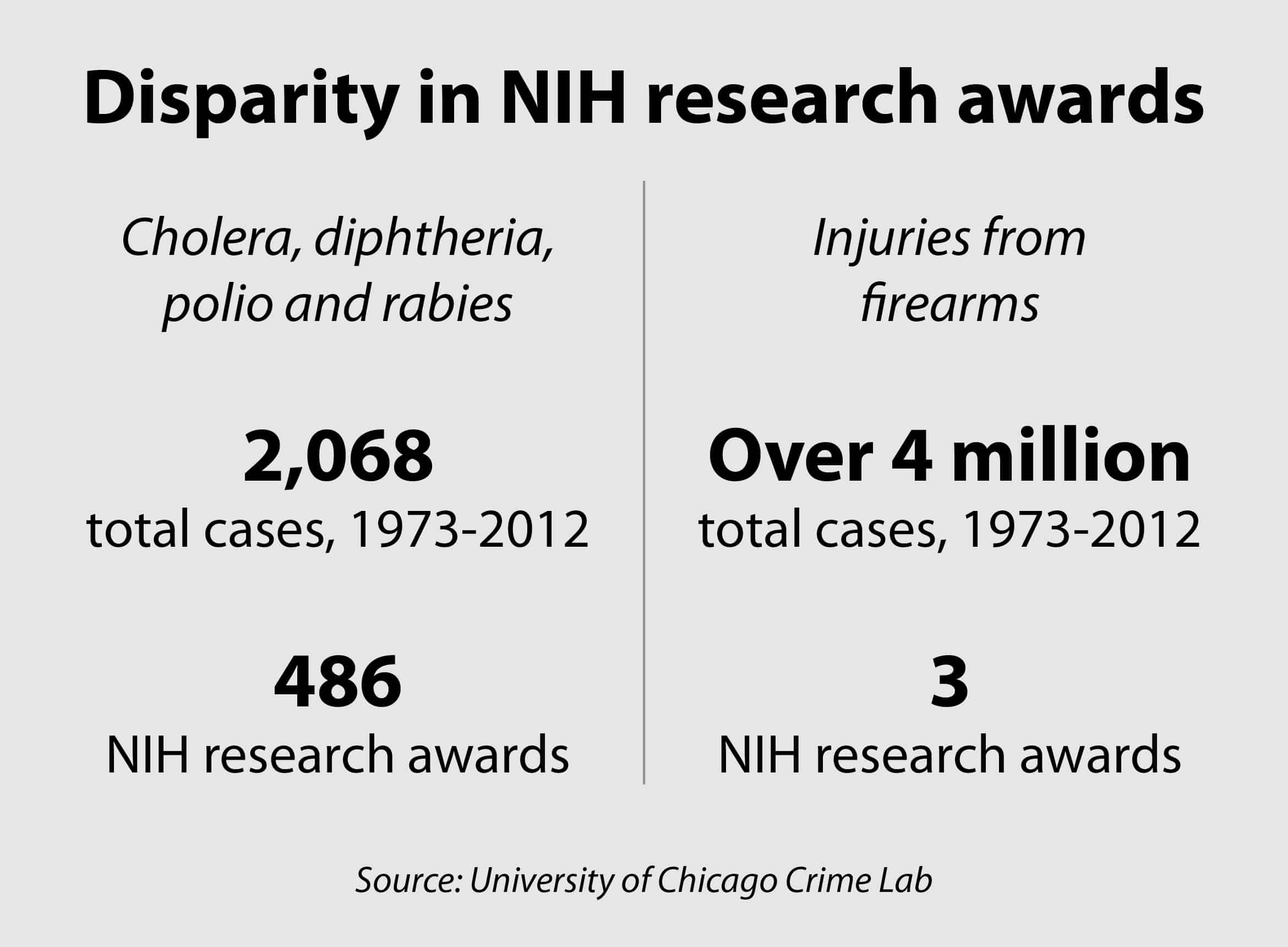
The research needed to answer questions about the role of firearms in acts of horrific mass violence doesn’t exist – and part of the problem is that the United States government largely doesn’t support it.

In an exploration of the complex dynamics of youth in especially challenging situations around the world, Charalmabos Tsekeris and Lilu Stylianoudi from the Academy of Athens have brought together 15 studies from around the world that point to a surprising finding: young people manage reasonably well in extremely difficult situations.
A recent critique of Alice Goffman’s influential 2014 book, “On the Run,” has, in effect, put ethnography conducted in the United states on trial. Here, our Robert Dingwall argues a case for the defense.

Efforts to assess scholarly impacts must account for the great diversity of scholarly work and ensure that researchers themselves play a leading role in selecting those indicators that best suit their work. Peter Severinson reports on work published by the Federation for the Humanities and Social Sciences in Canada that hopes will provide guidance to university administrators, public servants, and other members of the research community undertaking the demanding work of impact assessment.
Last year Social Science Space presented more than 200 articles on the impact, infrastructure and industry surrounding social and behavioral science and research. Looking back over those articles, we’ve chosen a few of special merit. Social Science Space plans to continue to provide the latest that the new year has to offer. Stay up to date with us to see what is in store.

In a recent survey of over 1,500 scientists, more than 70 percent of them reported having been unable to reproduce other scientists’ findings at least once. Reproducibility of findings is a core foundation of science and realizing how difficult it is to assess novelty should give funding agencies and scientists pause. Progress in science depends on new discoveries and following unexplored paths – but solid, reproducible research requires an equal emphasis on the robustness of the work.
There’s a lot of myths that get in the way of learning maths, says Stanford University’s Jo Boaler, and her research not only topples conventional wisdom but gives solid ways of allowing everyone to harness their inherent ability to excel at mathematics.
People often see science as a world apart: cool, rational and untouched by persuasion or performance. In this view, scientists simply discover […] “Research impact” means different things to different people. Some refer broadly to how science changes behaviors, beliefs, or practices outside academic institutions. […] One researcher studies how war affects children, another took a literal worm’s eye view to examine rural development, while two others scrutinized […] David Canter considers informal places where people socialize, suggesting they’re an arena ChatGPT and other LLMs can’no’t replicate. As someone who lives […] It’s become cliche since Clive Humbly coined it in 2006, but data is indeed the new oil. It’s a mantra repeated by […] In September 2025, The Guardian reported about a lawyer in Australia having faced sanctions due to false citations. These citations were not […]
EXPLORE
Impact

Scientists Should Keep in Mind It’s Called the ‘Marketplace of Ideas’ for a Reason
READ MORE

Survey Finds Social Scientists Feel Unsupported in Seeking Societal Impact
READ MORE
Canada’s SSHRC Names 2025 Impact Winners
READ MORE
Innovation

Reaching Parts to Which AI Has No Access
READ MORE

Andrea Medina-Smith on Making Research Data More FAIR
READ MORE

A Status Check on Hallucinated Case Law Incidents
READ MORE