
Could Distributed Peer Review Better Decide Grant Funding?
The landscape of academic grant funding is notoriously competitive and plagued by lengthy, bureaucratic processes, exacerbated by difficulties in finding willing reviewers. Distributed […]
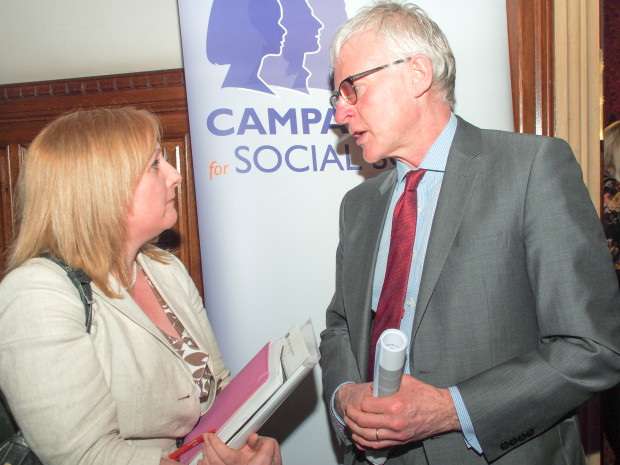
A new booklet in a series of releases by Britain’s Academy of Social Sciences highlights the important role that social and behavioral scientists have in the global fight against dementia.
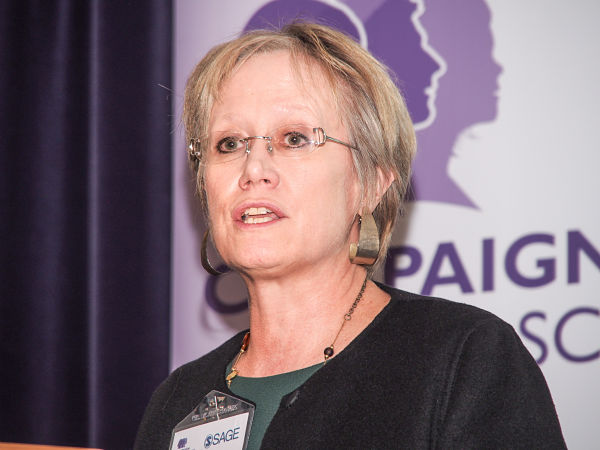
Sharon Witherspoon, the former director of the Nuffield Foundation and a guiding light of the Q-Step initiative, has been named the acting […]

The March 2016 issue of World Future Review is now available and can be read online for free for the next 30 days. The March […]
[We’re pleased to feature an interview, originally posted on the SAGE Connection blog, with Bailey Baumann and Stephen Pinfield. Stephen Pinfield recently published […]
[We’re pleased to welcome Peter Cappelli of the Wharton School of the University of Pennsylvania. Peter recently published an article in ILR […]

John Urry, a sociologist probably best known for his work on mobilities but whose gaze also lit on issues ranging from tourism to energy use, from social change to complexity theory, died suddenly on March 18.
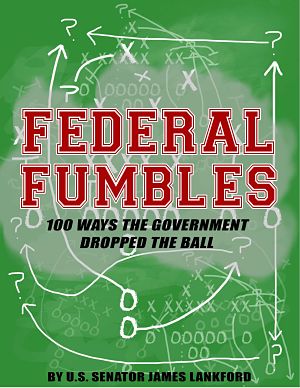
Group & Organization has added two new article collections to the Editor’s Choice Collections. The new Job Satisfaction collection offers a selection […]
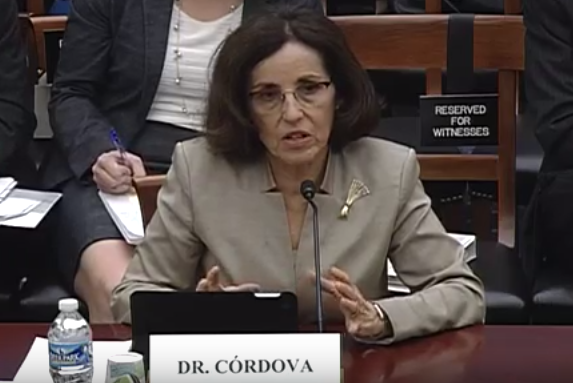
At the scene of many a dismal day for partisans of social and behavioral science, a hearing Tuesday on Capitol Hill saw proponents of the disciplines loud and proud. However, those hoping for an $8 billion budget next year for the NSF had less to be happy about.

Euan Adie, the founder of Altmetric and later of Overton, discusses the reasons the led to Overton’s focus on showing researchers how […] Here’s a couple of quick questions for you. What is the smallest of the eight discipline-based directorates at the United States’ National […] Sage’s 10-Year Impact Awards recognize academic papers appearing in Sage-published journals that have achieved lasting impact. The winning papers are the most […] I was adding some final flourishes on the topic of ‘iatrocracy’ to my forthcoming book with Natewindé Sawadogo – Sickness and Social […] How is AI changing the shape and space of higher education? Critical thinking continues to rank highly among key skills and attributes […] My colleagues and I recently spoke with a group of talented, interesting students who just completed their first year of college about […]
EXPLORE
Impact

Quick Insight: Euan Adie on Getting Academics Credit for Their Impact
READ MORE

NSF’s Embattled SBE Directorate Shown as Agency’s Policy Heavyweight
READ MORE

Sage’s 10-Year Impact Awards Capture Longer-Term Significance
READ MORE
Innovation

AI and ‘Iatrocracy’ – A Cautionary Tale
READ MORE

The Critical Student: How GenAI Reshapes Critical Skills and Higher Education’s Role Preparing Students For It
READ MORE

AI Doesn’t Drive Student Cheating. It Just Hitches a Ride
READ MORE