




Could Distributed Peer Review Better Decide Grant Funding?
The landscape of academic grant funding is notoriously competitive and plagued by lengthy, bureaucratic processes, exacerbated by difficulties in finding willing reviewers. Distributed […]
In the wake of Elsevier shuttering access to its current journal articles at the University of California, the university librarian at UC-Davis reviews the context of the dispute and argues open access offers the best path for academia’s future.
Plan S, a funder led initiative to drive open access to research will influence how learned societies, the organizations tasked with representing academics in particular disciplines, operate, as many currently depend on revenues from journal subscriptions to cross-subsidise their activities. Here, Alicia Wise and Lorraine Estelle update the first phase of the SPA-OPS project assessing the options available for learned societies to make the transition to open access.
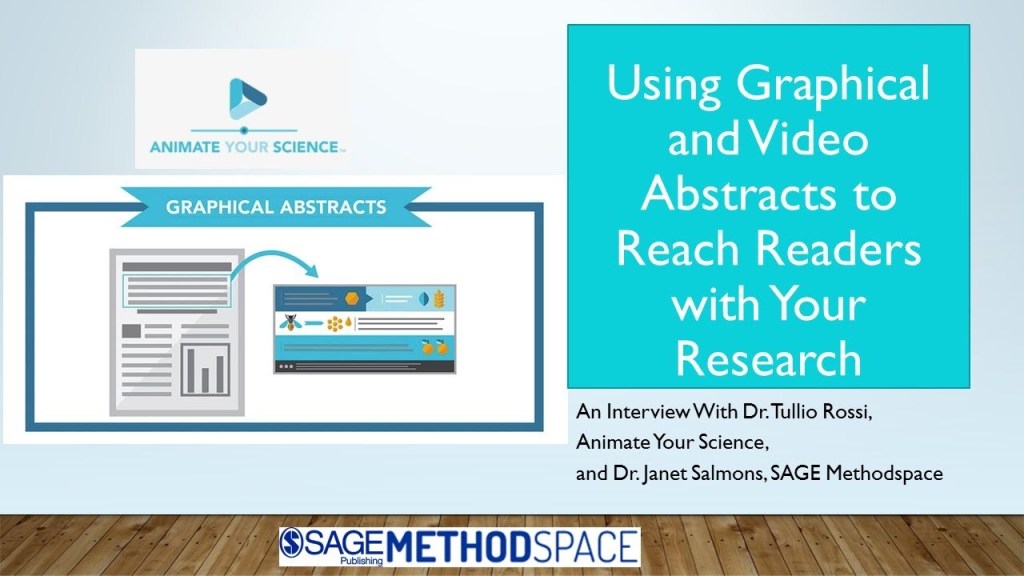
It goes without saying that research has greater impact when more people have access to it. In a distracted, multilingual world we often struggle to get important research findings into the hands of those who can use what we’ve learned. As Dr. Tullio Rossi of Animate Your Science points out, visuals help us reach across disciplines.

A new machine learning tool can detect and classify different strengths of Islamophobic hate speech on Twitter. Bertie Vidgen and Taha Yasseri explain their processes in creating a new tool that detects Islamophobic hate speech on Twitter.

Researchers asked science communicators what they need to know about their audiences. Age, education, gender and economic, educational, cultural and ideological background were typical answers. But to really know your audience, those are just a starting place.
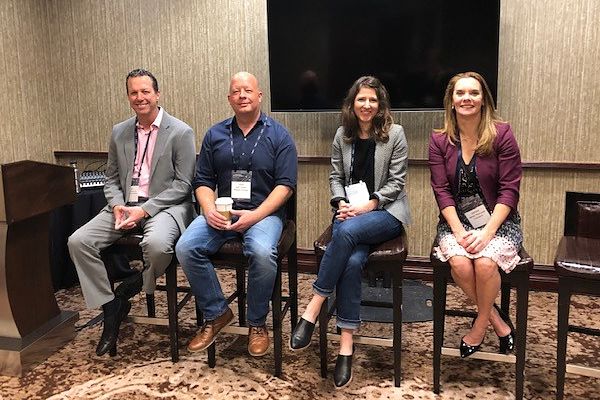
At the Winter Academic Conference of the American Marketing Association, four Austin, Texas-based marketing professionals discussed how they stay up-to-date on the latest marketing strategies and research, the place of research-based recommendations over others, and tips for researchers who want to make an impact in practice.

A new preprint was recently shared on PeerJ Preprints on the Use of the Journal Impact Factor in academic review, promotion, and tenure evaluations. Alice Fleerackers, Juan Pablo Alperin, and Erin McKiernan discuss the investigation and the findings on how the flawed metric is currently used in tenure and promotion decisions in universities across North America.

Large data sets can now be quickly analyzed to assess whether or not certain features, previously deemed unimportant, can actually affect the chances of a research paper being accepted for publication. In this post, James Hartley looks at new research on weekly submission dates.

The Royal Swedish Academy of Sciences has awarded this year’s Nobel Prize in Economic Sciences to the American economists Robert E. Hall […] Four Americans working in the social and behavioral sciences are among the 20 people named MacArthur Fellows this year. Recipients may be […] Euan Adie, the founder of Altmetric and later of Overton, discusses the reasons the led to Overton’s focus on showing researchers how […] The following is an adapted extract from The Cultural Industries, fifth edition, by David Hesmondhalgh. The increasing presence of information technology (IT) […] Developers of AI data centers have a public trust problem. According to multiple surveys, a majority of Americans say they would oppose […] I was adding some final flourishes on the topic of ‘iatrocracy’ to my forthcoming book with Natewindé Sawadogo – Sickness and Social […]
EXPLORE
Impact

Economic Peaks, Troughs and This Year’s Nobelists in Economics
READ MORE

Four From Social Science World Receive 2026 MacArthur Fellowships
READ MORE

Quick Insight: Euan Adie on Getting Academics Credit for Their Impact
READ MORE
Innovation

IT Giants and Their Operations: Should We Be Concerned?
READ MORE

What We Miss When We Study Public Trust with Surveys Alone
READ MORE

AI and ‘Iatrocracy’ – A Cautionary Tale
READ MORE