

Could Distributed Peer Review Better Decide Grant Funding?
The landscape of academic grant funding is notoriously competitive and plagued by lengthy, bureaucratic processes, exacerbated by difficulties in finding willing reviewers. Distributed […]

Have you thought about trying public outreach with your research by starring in or making videos for online viewership? Here’s some handy tips on presenting your social science Gangnam style.
In the the concluding piece of his three-article look at academic labor in the UK in the wake of Marina Warner’s departure from Essex, Daniel Nehring asks if the conservative turn in education is driven by students or policy makers.

High-quality scientific literature is the cornerstone of scientific progress and is highly regarded by academia. However, Ritesh G. Menezes and his colleagues write in the Medico-Legal Journal, scientific literature is often marred by plagiarism, data fabrication and falsification, redundant publication and illegitimate authorship.
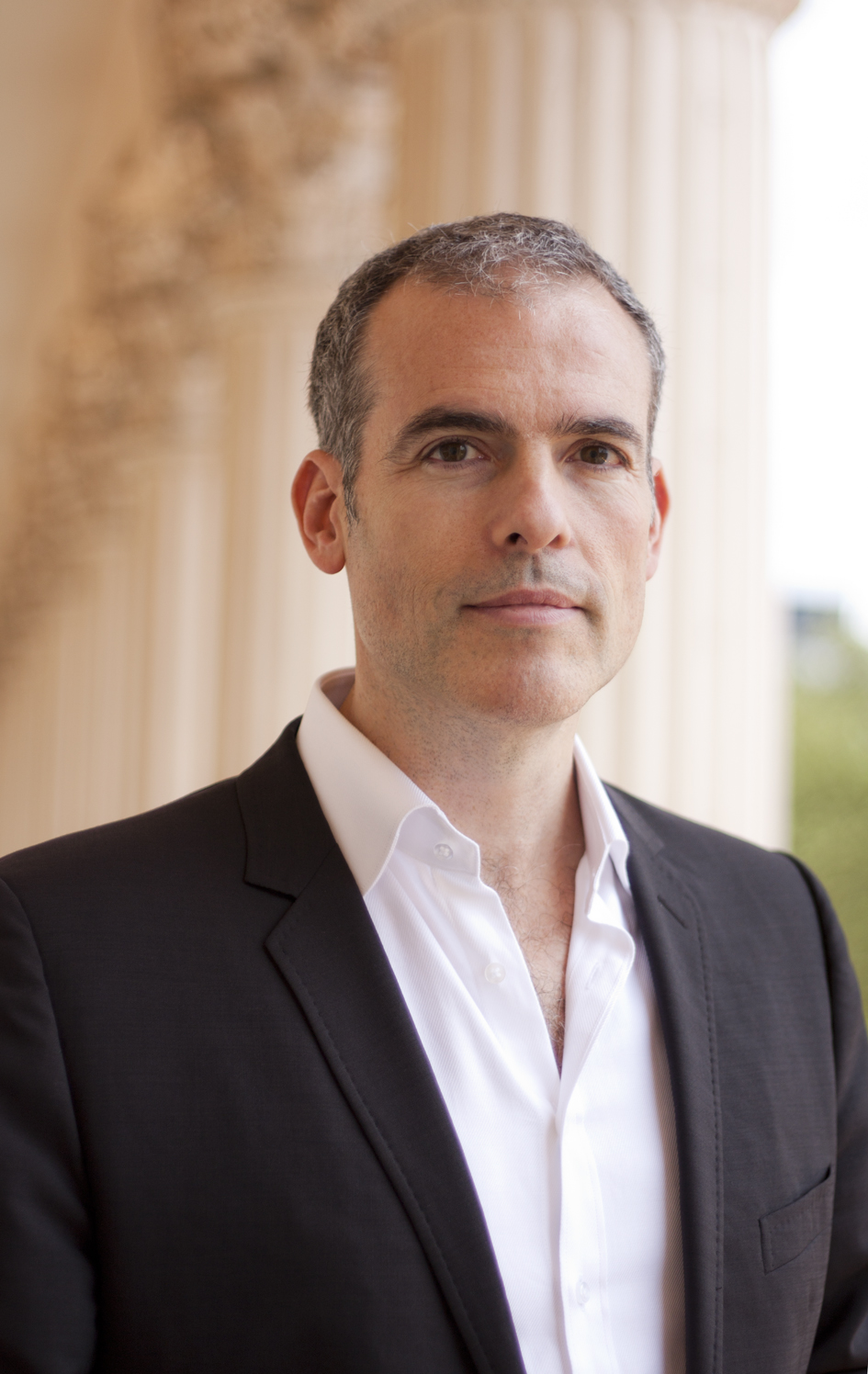
The Campaign for Social Science, Britain’s pre-eminent champion for promoting the social sciences before the government and the public, has named Ziyad […]
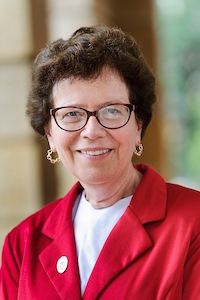
A former acting secretary of the U.S. Department of Commerce and the current chancellor of the University of Wisconsin-Madison will receive this year’s Daniel Patrick Moynihan Prize from the American Academy of Political and Social Science.

Kip Jones, who from his perch as a reader in performative social science at Bournemouth University’s Centre for Qualitative Research focuses on developing tools from the arts and humanities for use by social scientists in research, offers this top 10 list of techniques to welcome in the new year.

A survey by the Nuffield Council on Bioethics suggests that researchers appreciate the benefits of competition but also fear how it can emphasize prestige over quality

Authorship of an article seems like it ought to be straightforward, but of course it’s not. Even with greater scrutiny, abuse of the process — both adding the wrong people and subtracting the right ones — continues.

The Royal Swedish Academy of Sciences has awarded this year’s Nobel Prize in Economic Sciences to the American economists Robert E. Hall […] Four Americans working in the social and behavioral sciences are among the 20 people named MacArthur Fellows this year. Recipients may be […] Euan Adie, the founder of Altmetric and later of Overton, discusses the reasons the led to Overton’s focus on showing researchers how […] The following is an adapted extract from The Cultural Industries, fifth edition, by David Hesmondhalgh. The increasing presence of information technology (IT) […] Developers of AI data centers have a public trust problem. According to multiple surveys, a majority of Americans say they would oppose […] I was adding some final flourishes on the topic of ‘iatrocracy’ to my forthcoming book with Natewindé Sawadogo – Sickness and Social […]
EXPLORE
Impact
Economic Peaks, Troughs and This Year’s Nobelists in Economics
READ MORE
Four From Social Science World Receive 2026 MacArthur Fellowships
READ MORE

Quick Insight: Euan Adie on Getting Academics Credit for Their Impact
READ MORE
Innovation
IT Giants and Their Operations: Should We Be Concerned?
READ MORE

What We Miss When We Study Public Trust with Surveys Alone
READ MORE

AI and ‘Iatrocracy’ – A Cautionary Tale
READ MORE