


Could Distributed Peer Review Better Decide Grant Funding?
The landscape of academic grant funding is notoriously competitive and plagued by lengthy, bureaucratic processes, exacerbated by difficulties in finding willing reviewers. Distributed […]

Looking specifically at Australia, the author of the book on research integrity wonders how rampant plagiarizing and fabricating may be among researchers.

The author of a book on research ethics for social scientists suggests that issues such as antagonism with university review boards and new complexities introduced by Big Data can make integrity a sometime elusive quality.

So you’ve written a snappy and yet accurate and informative title for your journal article, and so after your victory lap you spend just a few seconds thinking about the keywords. That’s probably a mistake, argues the just-retired editor of an important political science journal.

As announced earlier in the year, sociologist Jane Elliott took the reins of Britain’s Economic and Social Research Council on October 1. […]
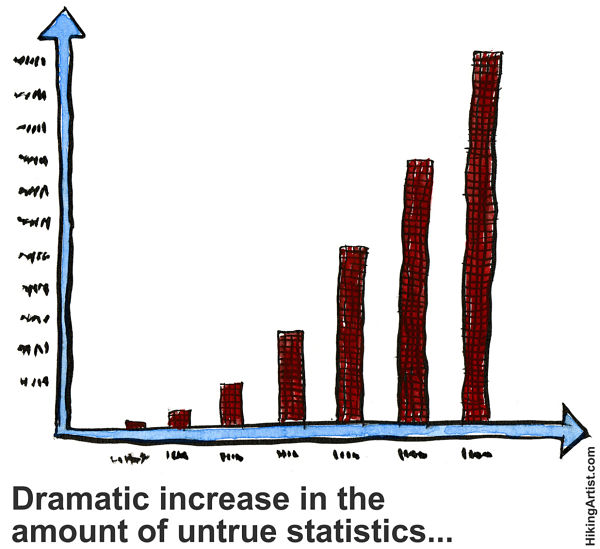
We want decisions to be based on data and evidence and not ideology or gut feelings. But being presented with research results only starts the process of understanding what to draw from it.
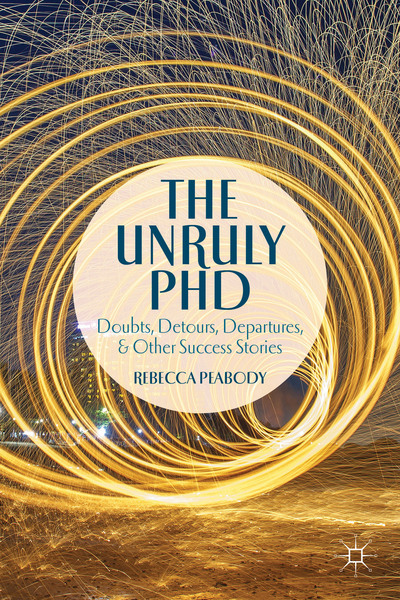
There is a greater world beyond the academia, and that it is OK to pursue alternative paths, Revecca Peabody writes in her new book about negotiating the journey to obtain a PhD and the twisting path to deploy it.

The former deputy director of the Bureau of Economic Analysis has been named to head the federal organization that produces the benchmark […]

What might be the reductio ad absurdum of academic ranking? South Korea might offer a hint, as the ‘spec’ generation focuses on its monetizable skillset –sometimes to the exclusion of most anything else.

The Royal Swedish Academy of Sciences has awarded this year’s Nobel Prize in Economic Sciences to the American economists Robert E. Hall […] Four Americans working in the social and behavioral sciences are among the 20 people named MacArthur Fellows this year. Recipients may be […] Euan Adie, the founder of Altmetric and later of Overton, discusses the reasons the led to Overton’s focus on showing researchers how […] The following is an adapted extract from The Cultural Industries, fifth edition, by David Hesmondhalgh. The increasing presence of information technology (IT) […] Developers of AI data centers have a public trust problem. According to multiple surveys, a majority of Americans say they would oppose […] I was adding some final flourishes on the topic of ‘iatrocracy’ to my forthcoming book with Natewindé Sawadogo – Sickness and Social […]
EXPLORE
Impact

Economic Peaks, Troughs and This Year’s Nobelists in Economics
READ MORE
Four From Social Science World Receive 2026 MacArthur Fellowships
READ MORE

Quick Insight: Euan Adie on Getting Academics Credit for Their Impact
READ MORE
Innovation

IT Giants and Their Operations: Should We Be Concerned?
READ MORE

What We Miss When We Study Public Trust with Surveys Alone
READ MORE

AI and ‘Iatrocracy’ – A Cautionary Tale
READ MORE