

Could Distributed Peer Review Better Decide Grant Funding?
The landscape of academic grant funding is notoriously competitive and plagued by lengthy, bureaucratic processes, exacerbated by difficulties in finding willing reviewers. Distributed […]

Makerere Social Science dons end strike New Vision MAKERERE University lecturers at the School of Social Sciences Wednesday returned to class, a […]
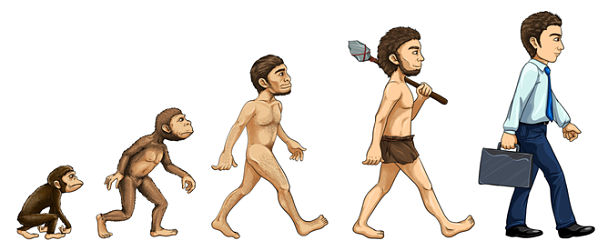
Christopher Scanlon, an associate dean at La Trobe University, argues that evolutionary psychologists’ efforts to determine if people are ‘wired for happiness’ are faces some tall obstacles if they want their work to be considered scientific..
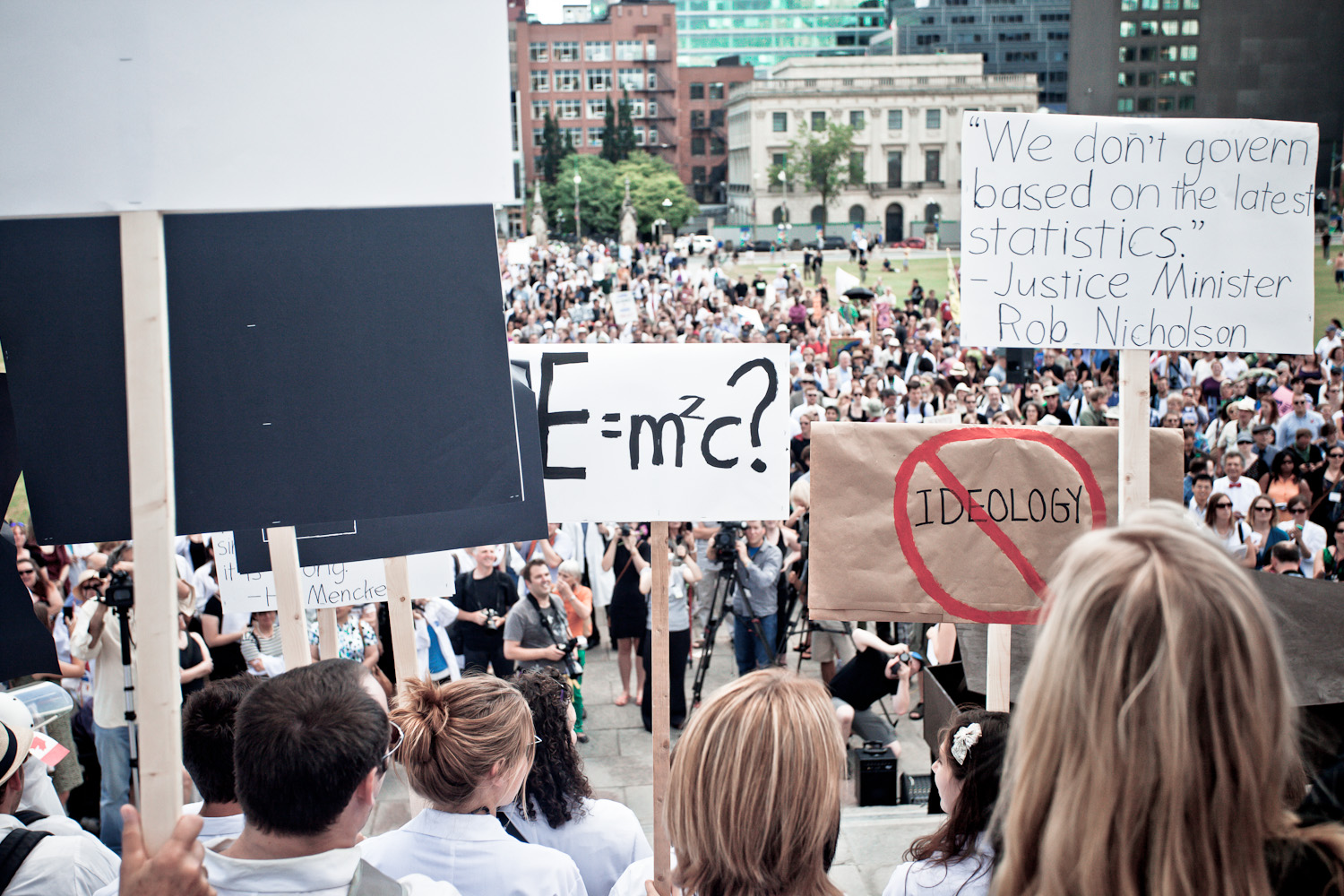
Canadian scientists are being prevented by the state from discussing research findings in public, even about earthquakes in their backyard. Mark Frary reports
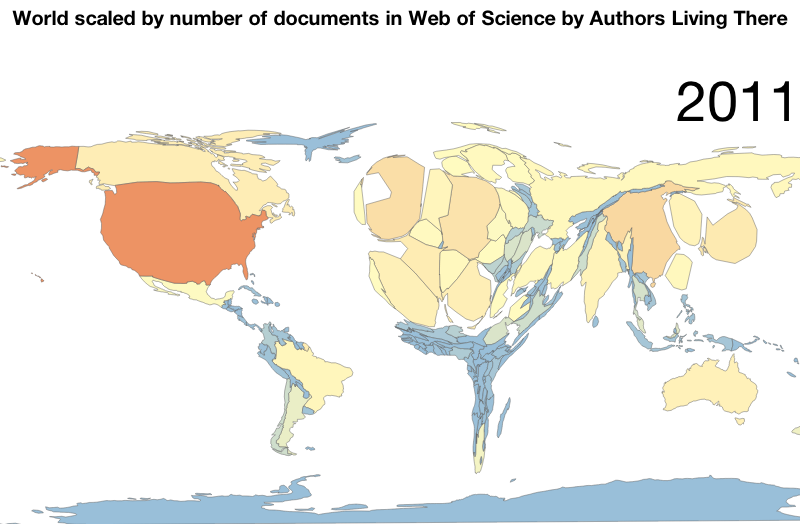
The Web of Science and its corresponding Journal Impact Factor are inadequate for an understanding of the impact of scholarly work from developing regions, argues Juan Pablo Alperin. The altmetrics community should engage with scholars from developing regions to ensure the new metrics do not continue to cater to well-known and well-established networks.
Thursday’s mark-up of a bill that nearly cuts the National Science Foundation’s social science spending in half is stirring up the academic community.
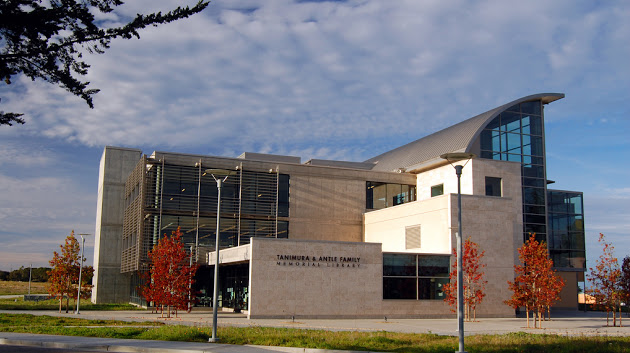
The latest iteration of a report on college and university libraries finds an institution with a clear sense that change is afoot but a slightly cloudier feel for how to address it.
Launch of the World Social Science Blog | IPSA | Political Science News – News ⋅ sarah.veilleux.poulin The International Social Science Council […]

Where should we draw the line between normal data gathering about university students–with the intent of helping them, of course–and outright intrusiveness?

The Royal Swedish Academy of Sciences has awarded this year’s Nobel Prize in Economic Sciences to the American economists Robert E. Hall […] Four Americans working in the social and behavioral sciences are among the 20 people named MacArthur Fellows this year. Recipients may be […] Euan Adie, the founder of Altmetric and later of Overton, discusses the reasons the led to Overton’s focus on showing researchers how […] The following is an adapted extract from The Cultural Industries, fifth edition, by David Hesmondhalgh. The increasing presence of information technology (IT) […] Developers of AI data centers have a public trust problem. According to multiple surveys, a majority of Americans say they would oppose […] I was adding some final flourishes on the topic of ‘iatrocracy’ to my forthcoming book with Natewindé Sawadogo – Sickness and Social […]
EXPLORE
Impact
Economic Peaks, Troughs and This Year’s Nobelists in Economics
READ MORE

Four From Social Science World Receive 2026 MacArthur Fellowships
READ MORE

Quick Insight: Euan Adie on Getting Academics Credit for Their Impact
READ MORE
Innovation

IT Giants and Their Operations: Should We Be Concerned?
READ MORE

What We Miss When We Study Public Trust with Surveys Alone
READ MORE

AI and ‘Iatrocracy’ – A Cautionary Tale
READ MORE