


Could Distributed Peer Review Better Decide Grant Funding?
The landscape of academic grant funding is notoriously competitive and plagued by lengthy, bureaucratic processes, exacerbated by difficulties in finding willing reviewers. Distributed […]

Three remarkable documentaries and a new play focus on race in America and the political responses to it, reports our blogger Howard Silver.
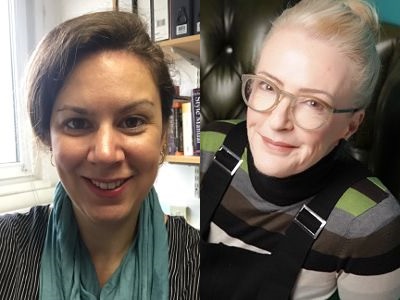
The incoming and the outgoing editors of Britain’s oldest sociology journal discuss what the future holds for the journal and what challenges face sociology in current times.
We have entered an era of lifelong media education, says Michelle L. Stack. This includes an examination of how we freely share information about ourselves on social media that is then used to frame how we see others and ourselves.
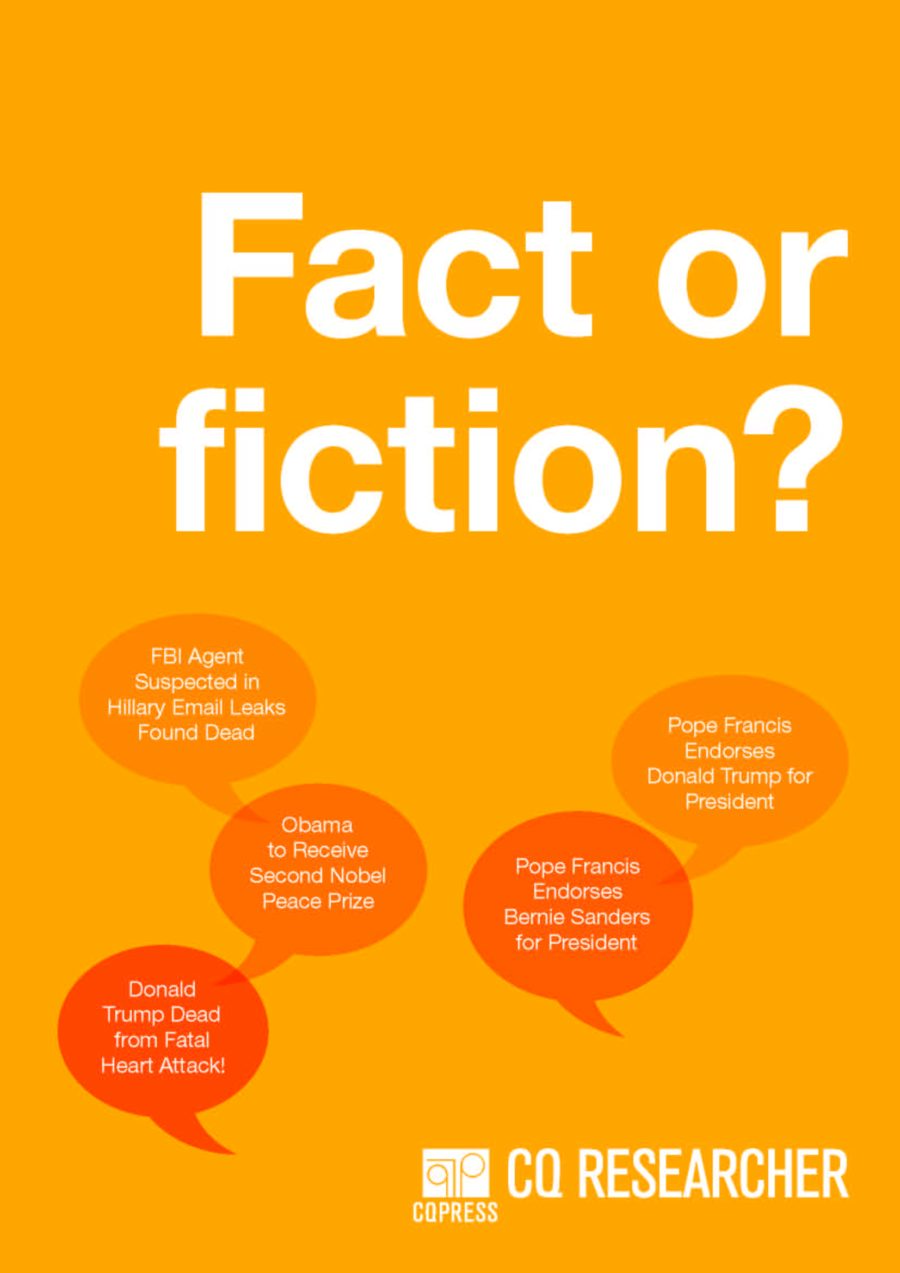
Concerned about the proliferation of fake news, CQ Press has created a short checklist aimed at students and teachers that offers some tools for divining what’s solid news and what’s bogus.

University librarian Jeffrey Beall used to write a blog that identified by name what he saw as predatory publishers of academic journals. Since he suddenly shut down the site earlier this month, will –or even should — someone else pick up the baton?
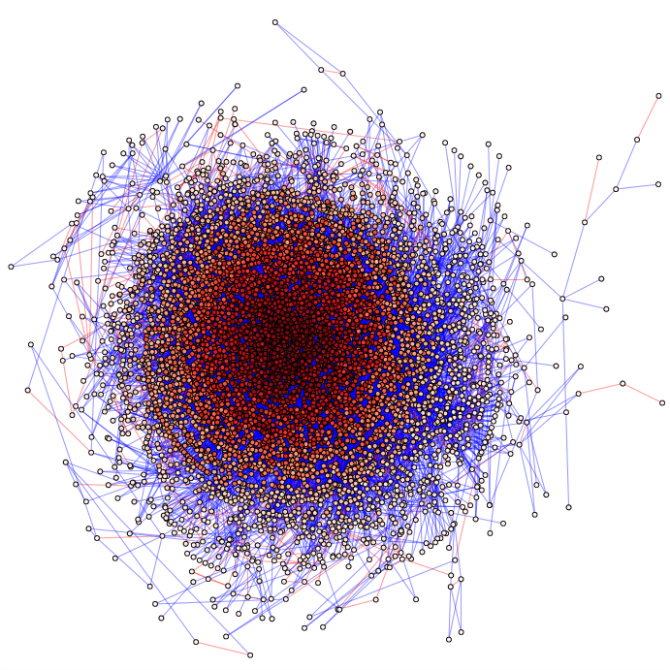
Co-Pierre Georg and Michael E. Rose report on their recent study confirming that seeking out feedback and constructive criticism improves academic research and increases its impact, especially when that feedback is offered by well-connected colleagues.
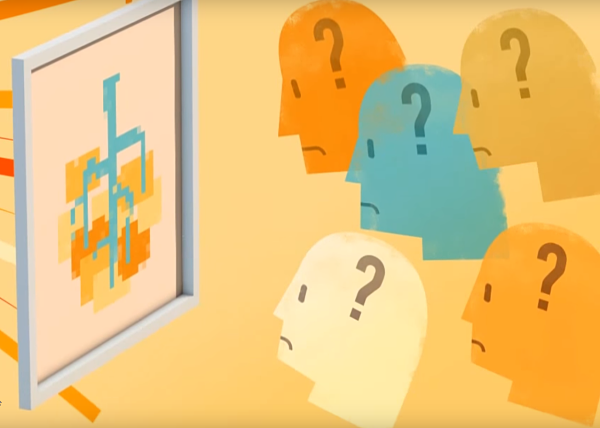
A new report from the National Academies on current science communication finds it’s going to need strategic and serious investment in the ‘science’ of science communication and demand much greater engagement and collaboration between those who study science communication and those who actually do it.

Peer review clearly isn’t perfect, but rather than simply bypassing it and releasing even more information into an overloaded system, we should focus on making it better, says this life sciences editor. The first step is to reset and clearly state our standards for quality in both publishing and peer reviewing.

The Royal Swedish Academy of Sciences has awarded this year’s Nobel Prize in Economic Sciences to the American economists Robert E. Hall […] Four Americans working in the social and behavioral sciences are among the 20 people named MacArthur Fellows this year. Recipients may be […] Euan Adie, the founder of Altmetric and later of Overton, discusses the reasons the led to Overton’s focus on showing researchers how […] The following is an adapted extract from The Cultural Industries, fifth edition, by David Hesmondhalgh. The increasing presence of information technology (IT) […] Developers of AI data centers have a public trust problem. According to multiple surveys, a majority of Americans say they would oppose […] I was adding some final flourishes on the topic of ‘iatrocracy’ to my forthcoming book with Natewindé Sawadogo – Sickness and Social […]
EXPLORE
Impact
Economic Peaks, Troughs and This Year’s Nobelists in Economics
READ MORE

Four From Social Science World Receive 2026 MacArthur Fellowships
READ MORE

Quick Insight: Euan Adie on Getting Academics Credit for Their Impact
READ MORE
Innovation

IT Giants and Their Operations: Should We Be Concerned?
READ MORE

What We Miss When We Study Public Trust with Surveys Alone
READ MORE

AI and ‘Iatrocracy’ – A Cautionary Tale
READ MORE












































































