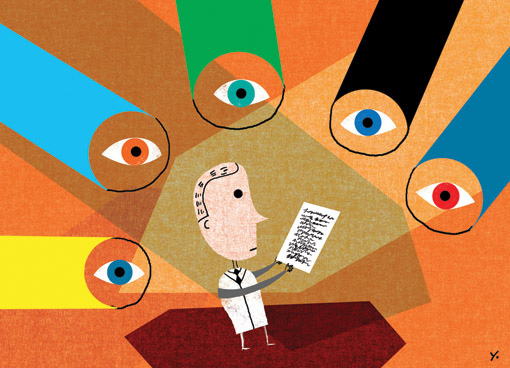


Could Distributed Peer Review Better Decide Grant Funding?
The landscape of academic grant funding is notoriously competitive and plagued by lengthy, bureaucratic processes, exacerbated by difficulties in finding willing reviewers. Distributed […]

A lot has been made about Guy Scott being a white man. But Stephen Chan argues that’s one of the less remarkable aspects of Zambia’s fill-in leader.

Big data is ultimately a big boon for both researchers and the public. But without some reasonable and quick regulation, argues Duncan Shaw, scandals arising from its misuse could turn the public’s stomach.

WHO is supposed to be a global health organization, not a global biomedical organization. The Ebola crisis, argues Robert Dingwall, reveals the extent to which it has lost sight of this mission.

ESRC Sheffield Festival of Social Science Sheffield Hallam University Social science is everywhere. From helping us to make sense of our finances […]

At what point to private (and perhaps unpalatable) opinions expressed off-campus impinge on a scholar’s employment? This abstract question has been made concrete in two recent cases.
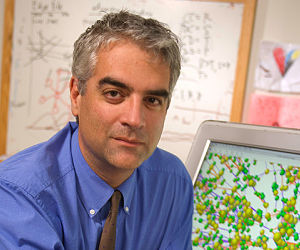
With one foot firmly planted in natural science and one in social science, Yale’s Nicholas A. Christakis looks at the landscape of the latter and wonders why it’s changed so little in the past century. Is it time for a common-sense, and yet radical, reshuffling of the institutional frameworks that we tend to accept as permanent?
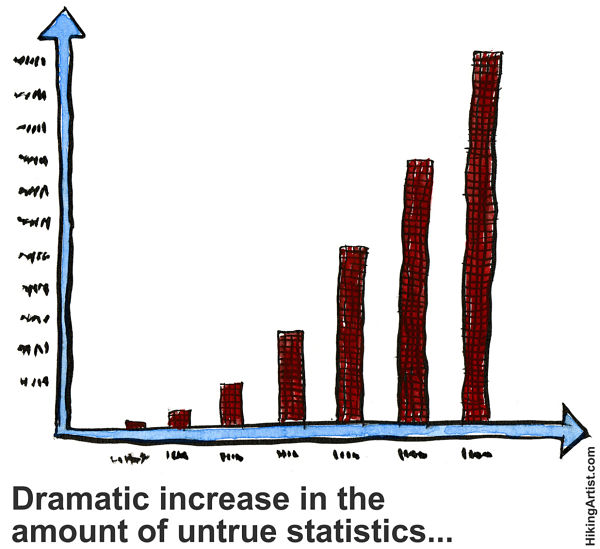
We want decisions to be based on data and evidence and not ideology or gut feelings. But being presented with research results only starts the process of understanding what to draw from it.

A just-published lecture on international relations as a social science suggests that no discipline is an island.

The Royal Swedish Academy of Sciences has awarded this year’s Nobel Prize in Economic Sciences to the American economists Robert E. Hall […] Four Americans working in the social and behavioral sciences are among the 20 people named MacArthur Fellows this year. Recipients may be […] Euan Adie, the founder of Altmetric and later of Overton, discusses the reasons the led to Overton’s focus on showing researchers how […] The following is an adapted extract from The Cultural Industries, fifth edition, by David Hesmondhalgh. The increasing presence of information technology (IT) […] Developers of AI data centers have a public trust problem. According to multiple surveys, a majority of Americans say they would oppose […] I was adding some final flourishes on the topic of ‘iatrocracy’ to my forthcoming book with Natewindé Sawadogo – Sickness and Social […]
EXPLORE
Impact

Economic Peaks, Troughs and This Year’s Nobelists in Economics
READ MORE

Four From Social Science World Receive 2026 MacArthur Fellowships
READ MORE

Quick Insight: Euan Adie on Getting Academics Credit for Their Impact
READ MORE
Innovation

IT Giants and Their Operations: Should We Be Concerned?
READ MORE

What We Miss When We Study Public Trust with Surveys Alone
READ MORE

AI and ‘Iatrocracy’ – A Cautionary Tale
READ MORE