
Could Distributed Peer Review Better Decide Grant Funding?
The landscape of academic grant funding is notoriously competitive and plagued by lengthy, bureaucratic processes, exacerbated by difficulties in finding willing reviewers. Distributed […]
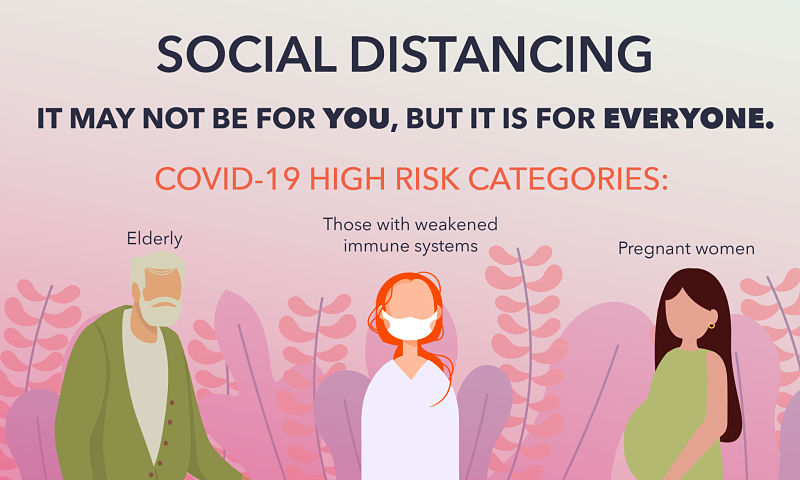
The call for ‘social distancing’ in the wake of the coronavirus and its attendant COVID-19 disease has seen schools and universities around the world hurriedly attempting to turn their physical classrooms into virtual ones. While this may be best immediate reaction from an epidemiological point of view, from a pedagogic perspective, it has left instructors desperately trying to retrofit and reformat their courses while trying not to unduly disadvantage large numbers of their students. As a means of supporting those attempting to do their best under trying circumstances, SAGE Publishing has drawn from its large body of published and peer-reviewed research to offer the resources below — free of charge — to serve teachers and students around the world.
Most of the articles and advice out there about quickly switching to online education in the wake of COVID-19 is aimed at educators, but we should bear in mind that it is an unfamiliar experience for many students, too.
The outbreak of COVID-19 has seen many universities closing campuses and shifting learning online. It’s unprecedented and suddenly puts ed tech front and center in a way it hasn’t been before. For those of us who have been doing online learning or distance ed for a while it can seem a bit irritating to have been seen as second class for so long and then suddenly deemed worthy of interest. So here’s some useful bits for those without that pedigree.
Hundreds of thousands of teachers are busy working to move their face-to-face lessons online. Designing online courses takes significant time and effort.
Right now, however, we need a simpler formula. Here are 14 quick tips to make online teaching better, from an expert in online learning.
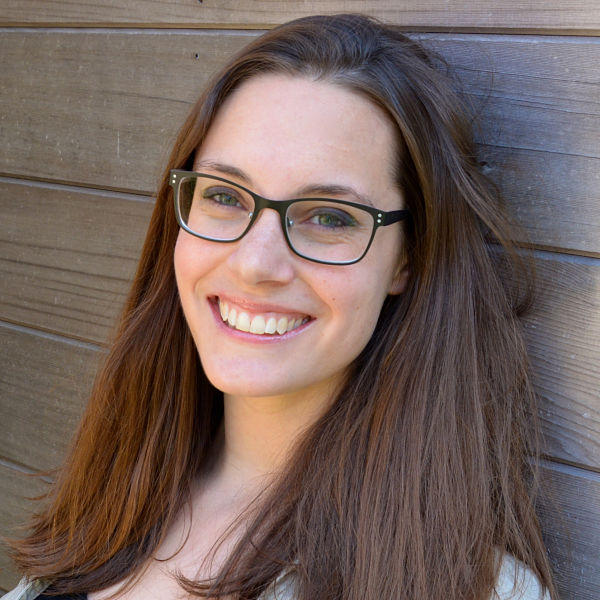
What can I do to increase the chances of having my paper accepted? How long does it take for an article to get published? Who are good contacts to reach out to for more information about my article along the way? How can I play a role in the dissemination of my paper? Our free webinar will guide you through the author journey, from beginning to end. Featuring Jessica Lipowski, Publishing Editor at SAGE, and a panel of Editors-in-Chief from various disciplines, including management, medicine, and health, this webinar will break down each step of the process and detail best practices for authors or those who want to be authors, as well as answer your questions about the process.
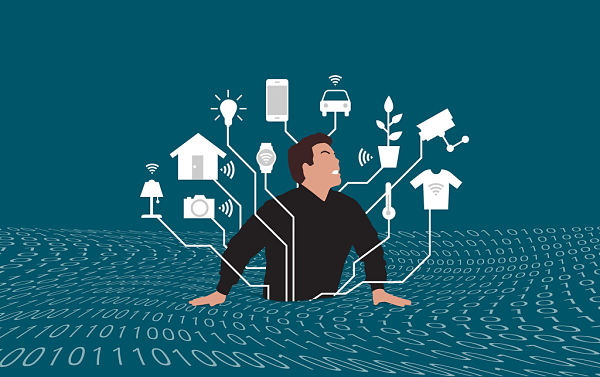
Choice is overwhelming. This should be no surprise to anyone who has spent a good few hours in a department store looking for the right pair of jeans. What if you’re a researcher looking at the landscape of technological tools available for data collection, analysis, or participant recruitment? A new white paper from SAGE has some answers.
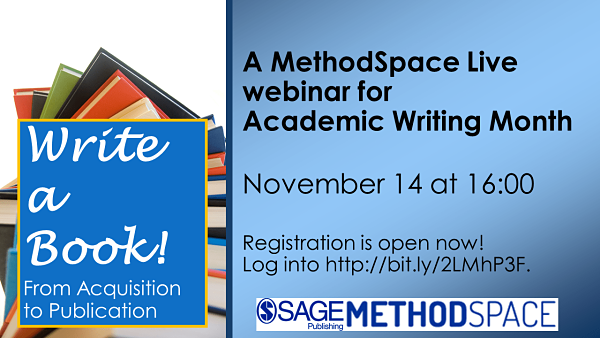
Method Space is hosting a free webinar about the book-writing/publishing process in full, from acquisition to publication. Make sure to register before November 14th!
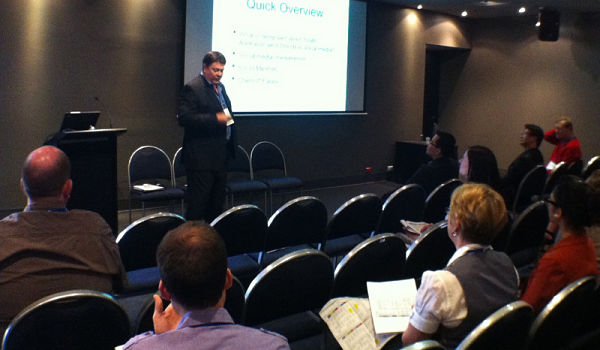
Individuals find it harder to cover conference costs – and departments or research groups have fewer resources to support them. It is not hard to see why there is a sense of grievance. On the other hand, it is not so easy to see what can be done.
Jürgen Habermas, a globally known social theorist whose explorations of democracy, validity and communication have gained new prominence in the current moment, […] People often see science as a world apart: cool, rational and untouched by persuasion or performance. In this view, scientists simply discover […] “Research impact” means different things to different people. Some refer broadly to how science changes behaviors, beliefs, or practices outside academic institutions. […] David Canter considers informal places where people socialize, suggesting they’re an arena ChatGPT and other LLMs can’no’t replicate. As someone who lives […] It’s become cliche since Clive Humbly coined it in 2006, but data is indeed the new oil. It’s a mantra repeated by […] In September 2025, The Guardian reported about a lawyer in Australia having faced sanctions due to false citations. These citations were not […]
EXPLORE
Impact

Jürgen Habermas, 1929-2026: Exponent of the Public Sphere
READ MORE

Scientists Should Keep in Mind It’s Called the ‘Marketplace of Ideas’ for a Reason
READ MORE

Survey Finds Social Scientists Feel Unsupported in Seeking Societal Impact
READ MORE
Innovation

Reaching Parts to Which AI Has No Access
READ MORE

Andrea Medina-Smith on Making Research Data More FAIR
READ MORE

A Status Check on Hallucinated Case Law Incidents
READ MORE