



Could Distributed Peer Review Better Decide Grant Funding?
The landscape of academic grant funding is notoriously competitive and plagued by lengthy, bureaucratic processes, exacerbated by difficulties in finding willing reviewers. Distributed […]

Machine learning tools like chatbots and virtual assistants can emulate the work of psychologists and psychotherapists and are even helping to address people’s basic therapeutic needs.

The population of ‘some college, no credential,’ or SCNC, individuals in the United States has reached 40.4 million (out of a total U.S. population of 331 million), which has resulted in a nationwide push for former students to return to college.

Reflecting on their work on the recent BIAS project, the authors traced some of the challenges we faced carrying out interdisciplinary research and the strategies we developed to mitigate them.

A new report from the Pew Research Center explores how and why Americans listen to podcasts, and how podcasting affects their news consumption specifically.
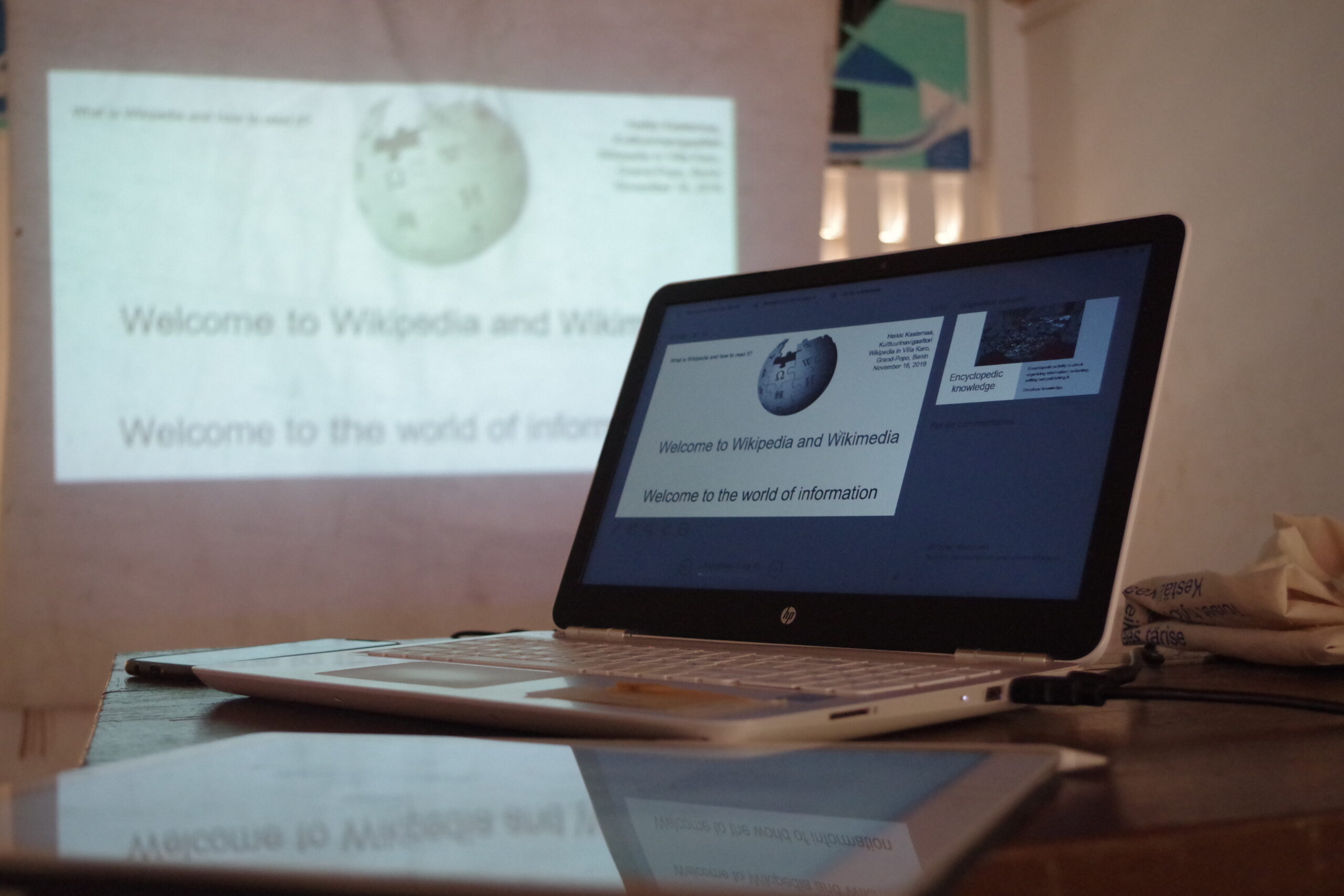
As research and instruction librarians, we know people have concerns about using Wikipedia in academic work. And yet, in interacting with undergraduate and graduate students doing various kinds of research, we also see how Wikipedia can be an important source for background information, topic development and locating further information.

Few topics in education have dominated the news over the past few years as much as efforts to ban critical race theory from the nation’s schools. The topic is so pervasive that researchers at the UCLA School of Law Critical Race Studies Program have created a new database to track attempts by local and state government to outlaw the teaching of the theory, which holds, among other things, that racism is not just expressed on an individual level, but rather is deeply embedded in the nation’s laws and policies. The Conversation asked Taifha Natalee Alexander, director and supervisor of the database, about the overarching purpose of the database and what it has shown thus far.

The main goal of our study was, hence, to complement the current technical knowledge on benefits management with an in-depth understanding of the social practices that constitute benefits management.

What is missing in current research and practice is an understanding of megaprojects as a complete production system—from planning through design, manufacturing, and
construction, to integration and handover to operations. Thinking about megaprojects as
production systems may help us understand how the different dimensions—the six themes
identified in our research—work together to achieve a project’s goals and deliver valuable
outcomes.

The Royal Swedish Academy of Sciences has awarded this year’s Nobel Prize in Economic Sciences to the American economists Robert E. Hall […] Four Americans working in the social and behavioral sciences are among the 20 people named MacArthur Fellows this year. Recipients may be […] Euan Adie, the founder of Altmetric and later of Overton, discusses the reasons the led to Overton’s focus on showing researchers how […] The following is an adapted extract from The Cultural Industries, fifth edition, by David Hesmondhalgh. The increasing presence of information technology (IT) […] Developers of AI data centers have a public trust problem. According to multiple surveys, a majority of Americans say they would oppose […] I was adding some final flourishes on the topic of ‘iatrocracy’ to my forthcoming book with Natewindé Sawadogo – Sickness and Social […]
EXPLORE
Impact

Economic Peaks, Troughs and This Year’s Nobelists in Economics
READ MORE

Four From Social Science World Receive 2026 MacArthur Fellowships
READ MORE

Quick Insight: Euan Adie on Getting Academics Credit for Their Impact
READ MORE
Innovation

IT Giants and Their Operations: Should We Be Concerned?
READ MORE

What We Miss When We Study Public Trust with Surveys Alone
READ MORE

AI and ‘Iatrocracy’ – A Cautionary Tale
READ MORE