

Could Distributed Peer Review Better Decide Grant Funding?
The landscape of academic grant funding is notoriously competitive and plagued by lengthy, bureaucratic processes, exacerbated by difficulties in finding willing reviewers. Distributed […]

Most of the articles and advice out there about quickly switching to online education in the wake of COVID-19 is aimed at educators, but we should bear in mind that it is an unfamiliar experience for many students, too.

The outbreak of COVID-19 has seen many universities closing campuses and shifting learning online. It’s unprecedented and suddenly puts ed tech front and center in a way it hasn’t been before. For those of us who have been doing online learning or distance ed for a while it can seem a bit irritating to have been seen as second class for so long and then suddenly deemed worthy of interest. So here’s some useful bits for those without that pedigree.
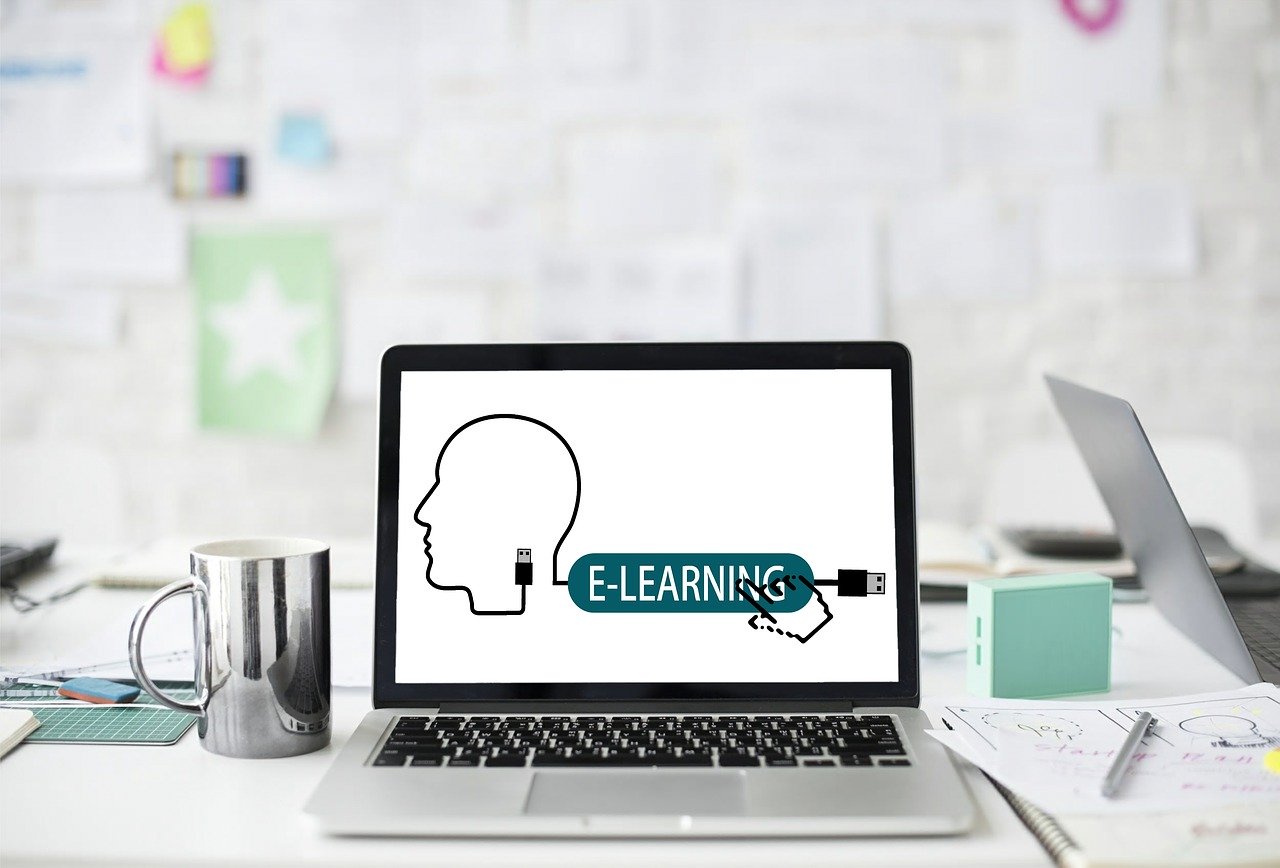
Hundreds of thousands of teachers are busy working to move their face-to-face lessons online. Designing online courses takes significant time and effort.
Right now, however, we need a simpler formula. Here are 14 quick tips to make online teaching better, from an expert in online learning.

Carefully implemented, online learning can make university education more accessible, affordable, interactive and student-centered. However, the way that it is being presented as a simple and practical solution to coronavirus fears, capable of replacing face-to-face teaching for a significant period, is misleading.
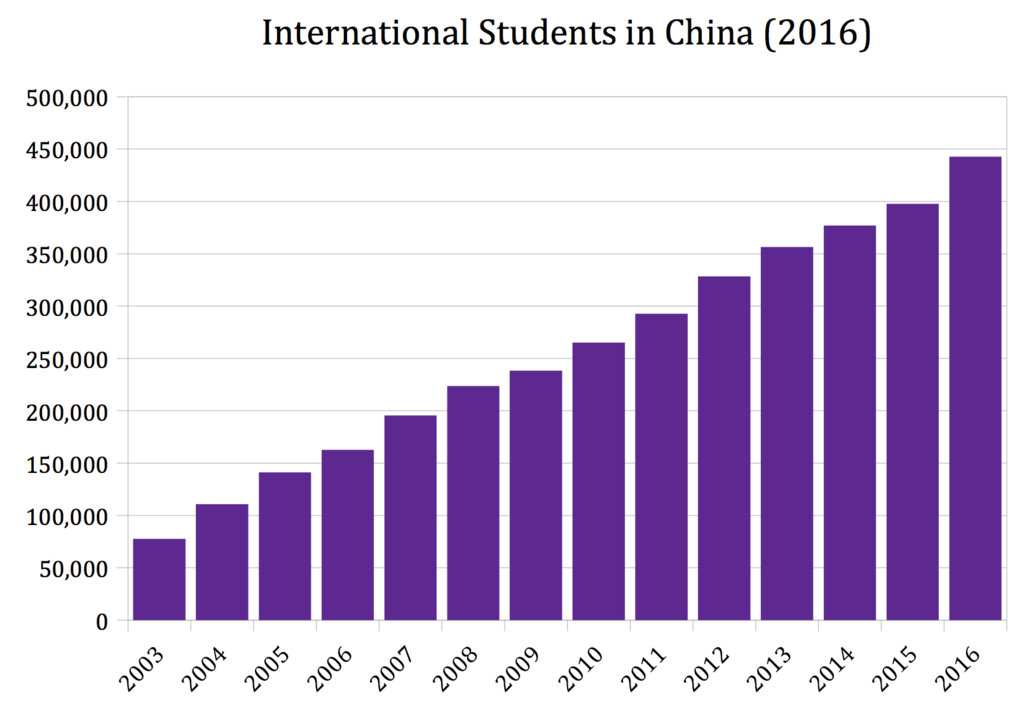
Mengwei Tu, a lecturer in sociology at East China University of Science and Technology, describes her encounters with two postgraduate students from Pakistan. They highlight both China’s potential to become an attractive destination for international students and the difficulties involved in the internationalization of a society that was isolated from the outside world for much of its recent history.
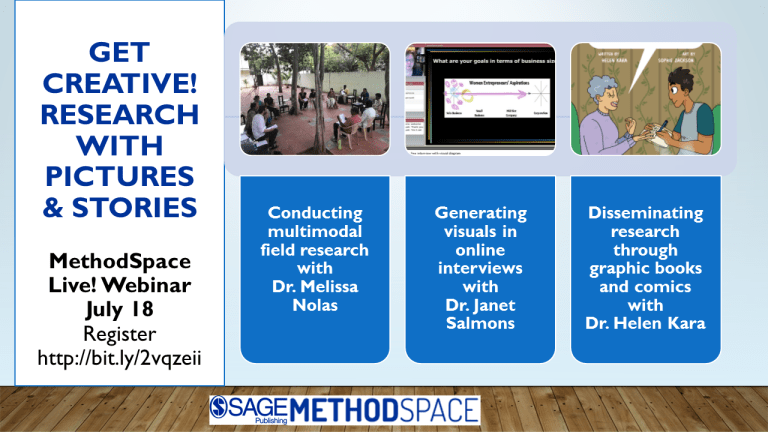
In order to engage in real-time and have a conversation about thought-provoking approaches, MethodSpace is having a live series of webinars. The first one was Get Creative! Research with Pictures & Stories, watch the first one now.

The roots of sociology lie among a group of engaged, engaging and vibrant people who often risked their well-being, or even their lives, to advance their ideas. So what happened to suck much of the life out of the discipline?

Calling all social scientists. How were you trained? How are you keeping up (or not) with new developments in this rapidly changing digital world? How are you training your students? This was the subject of an event sponsored by SAGE Ocean as part of the ESRC’s 2018 Festival of Social Science. Comment on the post

The Royal Swedish Academy of Sciences has awarded this year’s Nobel Prize in Economic Sciences to the American economists Robert E. Hall […] Four Americans working in the social and behavioral sciences are among the 20 people named MacArthur Fellows this year. Recipients may be […] Euan Adie, the founder of Altmetric and later of Overton, discusses the reasons the led to Overton’s focus on showing researchers how […] The following is an adapted extract from The Cultural Industries, fifth edition, by David Hesmondhalgh. The increasing presence of information technology (IT) […] Developers of AI data centers have a public trust problem. According to multiple surveys, a majority of Americans say they would oppose […] I was adding some final flourishes on the topic of ‘iatrocracy’ to my forthcoming book with Natewindé Sawadogo – Sickness and Social […]
EXPLORE
Impact

Economic Peaks, Troughs and This Year’s Nobelists in Economics
READ MORE

Four From Social Science World Receive 2026 MacArthur Fellowships
READ MORE

Quick Insight: Euan Adie on Getting Academics Credit for Their Impact
READ MORE
Innovation

IT Giants and Their Operations: Should We Be Concerned?
READ MORE

What We Miss When We Study Public Trust with Surveys Alone
READ MORE

AI and ‘Iatrocracy’ – A Cautionary Tale
READ MORE












































































